



13 Jun Sydney Property Market Outlook: Growth Drivers, Suburban Shifts, and Long-Term Investment Fundamentals
The Sydney property market continues to hold its position as Australia’s most influential and closely watched real estate landscape. Despite varying market cycles, shifting interest rate environments, and evolving affordability conditions, Sydney remains underpinned by long-term structural demand drivers that continue to shape both price performance and rental dynamics.
For property markets like Sydney, the interaction between supply constraints, population growth, infrastructure investment, and lifestyle demand plays a critical role in determining long-term market direction. Understanding these fundamentals is essential when assessing how the city continues to evolve as a core destination for residential property demand.
Sydney’s Market Position: A Supply-Constrained Global City
Sydney is consistently characterised by one of the most tightly constrained housing supply environments in Australia. Geographic limitations, planning regulations, and strong demand from both domestic and international migration continue to place upward pressure on housing availability over the long term.
Unlike many regional or emerging markets, Sydney’s growth is shaped less by expansion and more by densification and redevelopment. This means that housing supply tends to increase incrementally rather than in large-scale releases, which contributes to sustained competition for well-located properties.
The result is a market where long-term demand fundamentals frequently outweigh short-term cyclical fluctuations. While pricing cycles do occur, Sydney’s underlying structural imbalance between supply and demand remains a defining feature of its property landscape.
Population Growth and Migration as Core Demand Drivers
Population growth continues to be one of the most significant contributors to housing demand across Sydney. The city remains a primary destination for international migration, interstate relocation, and internal urban movement driven by employment, education, and lifestyle opportunities.
As migration flows increase, pressure intensifies across both the rental and ownership markets. This is particularly evident in middle-ring and outer-ring suburbs, where demand for more affordable housing options continues to grow.
This sustained population growth not only supports housing demand but also reinforces the need for ongoing infrastructure expansion, including transport, education, and healthcare services. These factors collectively contribute to long-term liveability and reinforce Sydney’s role as a global economic centre.
Infrastructure Investment and Urban Transformation
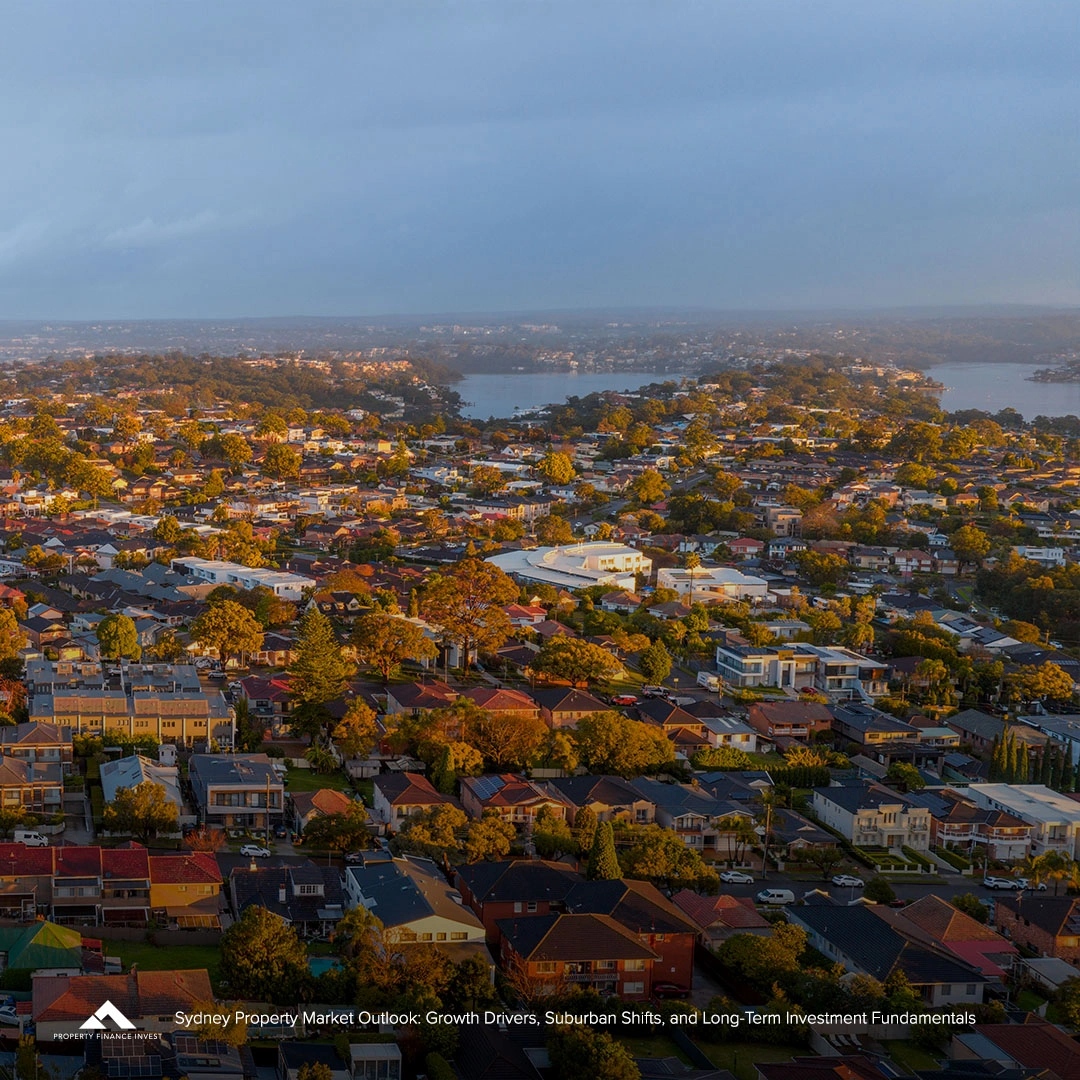
Infrastructure development plays a key role in shaping Sydney’s property market performance over time. Major transport projects, urban renewal precincts, and commercial developments continue to influence where demand is concentrated and how suburbs evolve.
Large-scale transport infrastructure, particularly metro and rail expansions, has historically contributed to increased accessibility across greater Sydney. Improved connectivity reduces travel times, expands employment catchments, and enhances the attractiveness of previously underdeveloped suburbs.
Suburbs located along key infrastructure corridors often experience gradual uplift in demand due to improved convenience and accessibility. This has led to increased interest in areas undergoing regeneration and densification, particularly within established urban corridors.
Suburban Evolution and Changing Buyer Preferences
The Sydney property market is increasingly defined by a shift in buyer and renter preferences. Affordability pressures and lifestyle expectations are reshaping demand across different property types and locations.
Inner-City and Lifestyle Precincts
Inner-city areas continue to attract strong demand due to proximity to employment hubs, education institutions, and lifestyle amenities. Suburbs within and surrounding the CBD remain highly competitive, particularly for apartments and high-density living options.
These areas are often driven by professionals, international students, and downsizers seeking convenience and access to urban infrastructure.
Middle-Ring Suburbs and Family Demand
Middle-ring suburbs are experiencing sustained demand from families seeking larger dwellings, access to schools, and improved community infrastructure. These areas often provide a balance between affordability and proximity to the city, making them highly competitive in both rental and ownership markets.
As infrastructure expands outward, these suburbs continue to benefit from improved transport connectivity and increased local amenity.
Outer Growth Corridors
Outer suburban growth areas continue to play a key role in housing supply delivery. These regions typically offer more affordable entry points into the market and attract first-home buyers and long-term investors.
However, demand in these areas is closely linked to infrastructure delivery, employment access, and transport connectivity. Suburbs with strong infrastructure pipelines tend to perform more consistently over time compared to areas with limited connectivity.
Rental Market Conditions and Demand Pressures
Sydney’s rental market remains tightly held, with vacancy rates continuing to reflect limited availability across most segments. Strong population growth and high levels of migration have contributed to sustained rental demand, particularly in well-connected suburbs.
Rental demand is especially strong in areas close to employment hubs, transport nodes, and education precincts. Inner and middle-ring suburbs continue to experience competitive rental conditions, with limited stock availability contributing to ongoing pressure on rental pricing.
At a broader level, the imbalance between rental supply and demand highlights the structural nature of Sydney’s housing shortage. New housing delivery continues to lag behind population growth, reinforcing long-term rental competition across the city.
Capital Growth Trends and Long-Term Performance Drivers
Sydney’s property market has historically demonstrated strong long-term capital growth performance, supported by its role as Australia’s primary financial, commercial, and international gateway city.
Several structural factors continue to underpin this performance:
- Persistent supply constraints due to geographic and planning limitations
- Strong international migration and population inflows
- High levels of employment concentration in financial and professional services
- Continued infrastructure investment supporting urban expansion
- Global investor interest in Australian real estate markets
While short-term cycles may influence price movement, these long-term fundamentals continue to support Sydney’s position as a key driver of national property value growth trends.
The Role of Affordability in Market Segmentation
Affordability remains one of the most significant shaping forces within the Sydney property market. Rising property values have contributed to a widening gap between high-demand inner suburbs and more accessible outer regions.
This has resulted in a highly segmented market, where different suburbs perform according to distinct demand drivers. Inner-city precincts are often influenced by lifestyle and employment proximity, while outer suburbs are more sensitive to affordability and infrastructure development.
Middle-ring suburbs continue to act as transitional zones, balancing accessibility and value. These areas often experience sustained demand due to their ability to offer a compromise between location and affordability.
Investment Market Dynamics and Structural Demand
Sydney continues to attract strong interest from both domestic and international property participants due to its stability, long-term growth profile, and global city status.
Investor activity is often influenced by rental demand conditions, infrastructure development, and long-term capital growth expectations. Areas with strong population growth and transport connectivity tend to attract higher levels of investor attention due to consistent demand fundamentals.
At the same time, market conditions can vary significantly between suburbs, highlighting the importance of understanding micro-market trends rather than relying solely on city-wide averages.
Outlook for the Sydney Property Market
The long-term outlook for the Sydney property market remains shaped by structural demand and constrained supply. Continued population growth, infrastructure expansion, and evolving housing needs are expected to remain key drivers of market performance.
As Sydney continues to expand and densify, future growth is likely to be increasingly concentrated around transport corridors, urban renewal precincts, and high-accessibility suburbs. This ongoing transformation reflects the city’s evolution into a more interconnected and vertically integrated urban environment.
While market cycles will continue to influence short-term performance, Sydney’s long-term fundamentals remain anchored by its economic significance, global connectivity, and sustained housing demand.
For stakeholders across property and finance sectors, Sydney continues to represent a market where long-term structural drivers remain firmly in place, shaping both residential demand and investment activity across the broader metropolitan region.