


23 May Bundaberg Property Market Outlook: Growth, Infrastructure Pressures, and Long-Term Sustainability
Bundaberg has emerged as one of regional Queensland’s more closely watched economies, underpinned by strong growth performance, diversified industry activity, and increasing population demand. With an economy valued at approximately $5.1 billion and recording the second fastest economic growth rate in Queensland at 7.1%, the region continues to demonstrate resilience and expansion across multiple sectors.
At the same time, Bundaberg is transitioning through a critical development phase where growth must be carefully balanced with livability, infrastructure capacity, and environmental preservation. These dynamics are increasingly shaping both residential demand and long-term property market outcomes.
Strong Economic Foundations Driving Regional Demand
Bundaberg’s property market is closely linked to the strength of its underlying economy. The region’s economic output reflects a diversified base, including agriculture, healthcare, education, tourism, and renewable energy sectors. This diversity has supported consistent employment opportunities and helped insulate the region from broader economic volatility.
Notably, Bundaberg was the third fastest regional economy in Australia to recover following COVID-related disruptions, highlighting the adaptability and resilience of its local industries. This recovery phase has played a key role in re-establishing confidence across both business investment and residential property demand.
From a property market perspective, strong economic fundamentals often translate into increased population inflows, improved housing demand, and sustained rental activity—particularly in regional centres where affordability remains attractive compared to major metropolitan markets.
Population Growth and Emerging Infrastructure Pressures
As Bundaberg continues to expand, infrastructure capacity is becoming a central consideration in its development trajectory. Population growth has placed increasing pressure on key services and systems, particularly in transport networks, healthcare facilities, and community infrastructure.
Transport and connectivity challenges
Road networks and public transport systems are experiencing higher utilisation as residential development expands into outer areas. While ongoing upgrades are planned, the pace of population growth can create temporary gaps between demand and infrastructure delivery. These gaps often influence residential settlement patterns and can contribute to shifting property demand across different suburbs.
Healthcare and essential services
Healthcare infrastructure is another key pressure point, with increased demand placing strain on existing facilities. As the population grows and ages, the need for expanded healthcare services becomes more pronounced, shaping both government investment priorities and local accessibility considerations.
From a property perspective, proximity to essential services such as hospitals and medical centres often becomes a key driver of suburb performance, particularly in regional markets where service access varies significantly by location.
Housing Demand and Affordability Dynamics
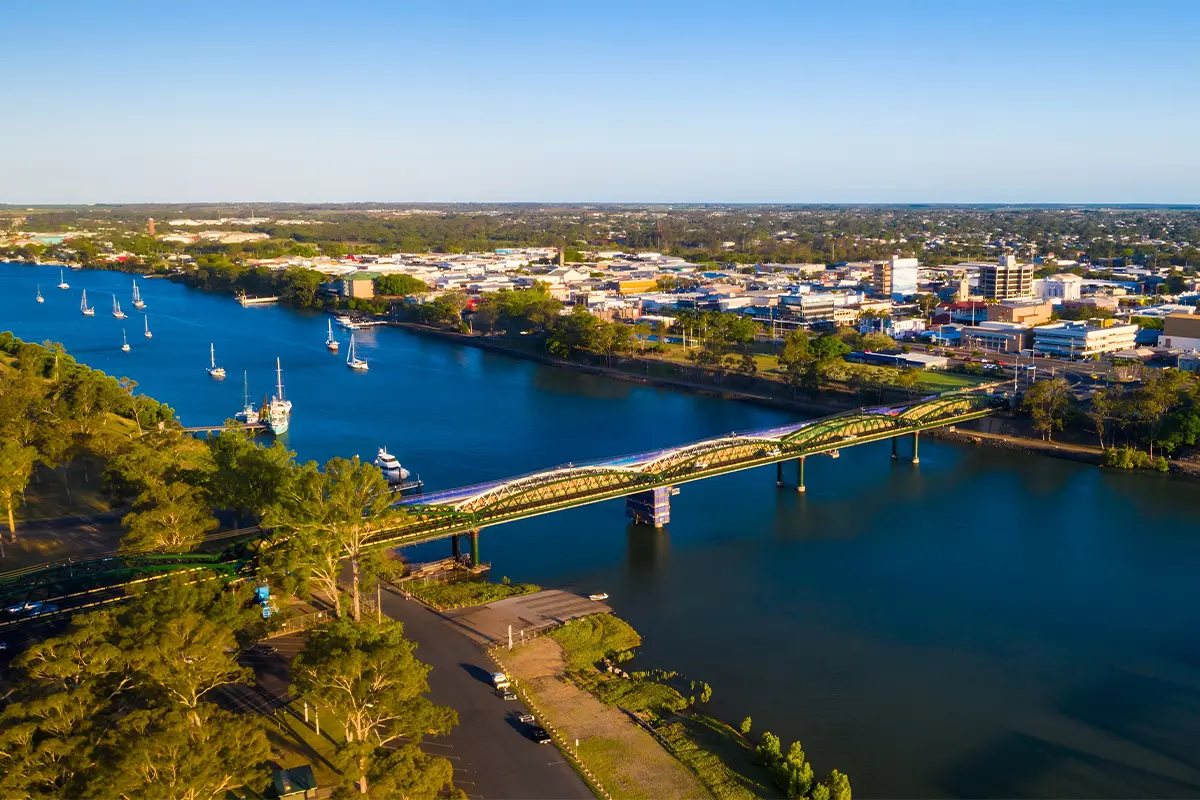
Bundaberg has historically been considered an affordable housing market relative to major Australian cities. However, increasing population growth and sustained demand are gradually influencing pricing dynamics across both the purchase and rental markets.
While affordability remains a relative strength, upward pressure on housing demand has the potential to reduce entry-level accessibility over time, particularly in well-located suburbs with strong amenity and infrastructure access.
Key factors influencing housing demand include:
- Population growth driven by interstate migration and regional relocation trends
- Increased demand for detached housing and larger land parcels
- Strong rental demand supported by employment growth
- Limited supply responsiveness in certain established suburbs
These conditions contribute to a tightening market environment, where housing availability can become constrained in periods of heightened demand.
Environmental Considerations and Long-Term Planning
Bundaberg’s geographic positioning near sensitive environmental assets, including coastal ecosystems and proximity to the Great Barrier Reef, places sustainability at the centre of long-term planning decisions.
Environmental preservation is not only a regulatory consideration but also a key factor in maintaining the region’s lifestyle appeal. Natural assets contribute significantly to Bundaberg’s identity, attracting both residents and visitors seeking coastal living combined with regional affordability.
Balancing development and conservation
Local planning authorities are increasingly focused on ensuring that growth does not compromise environmental integrity. This includes managing coastal development, protecting agricultural land, and preserving biodiversity corridors.
For property markets, environmental planning can influence where and how development occurs, shaping long-term supply pipelines and guiding infrastructure investment priorities.
Community Infrastructure and Livability Enhancements
As Bundaberg expands, there is a strong focus on maintaining quality of life through strategic community infrastructure development. Future planning priorities include:
- Expansion of green spaces and recreational areas
- Improved public transport connectivity
- Enhanced coastal access and waterfront development
- Upgrades to community facilities and civic infrastructure
These enhancements are designed to support population growth while preserving the region’s relaxed lifestyle appeal. In regional property markets, livability factors often play a critical role in sustaining long-term demand, particularly among families and retirees.
Lifestyle Appeal and Population Migration Trends
Bundaberg continues to benefit from broader migration trends, particularly as Australians seek more affordable housing, improved lifestyle balance, and regional relocation opportunities.
Key lifestyle drivers include:
- Coastal living with access to beaches and natural attractions
- Lower cost of living compared to metropolitan centres
- Strong sense of community and regional identity
- Access to essential services without metropolitan congestion
These factors contribute to ongoing demand from both owner-occupiers and investors seeking exposure to regional growth markets.
Economic Diversification Supporting Stability
One of Bundaberg’s key strengths is its diversified economic base. Unlike single-industry regional towns, Bundaberg benefits from a mix of sectors that provide stability across economic cycles.
Agriculture remains a cornerstone of the local economy, supported by strong food production and export activity. Tourism also plays a growing role, driven by coastal attractions and regional experiences. Meanwhile, healthcare, education, and renewable energy sectors are increasingly contributing to employment growth.
This diversification helps reduce reliance on any single industry and supports more consistent property market performance over time.
Property Market Outlook: Growth with Structural Constraints
Bundaberg’s property market outlook is shaped by a combination of strong demand fundamentals and emerging supply-side constraints. Continued population growth is expected to support housing demand, while infrastructure development will play a key role in shaping where growth occurs.
However, several structural factors are likely to influence future market conditions:
- Infrastructure capacity will continue to shape suburban expansion
- Environmental planning will guide development boundaries
- Housing supply responsiveness may lag demand in growth periods
- Affordability pressures may gradually increase over time
These dynamics suggest a market that is evolving rather than static, with performance increasingly influenced by localised conditions rather than broad regional trends.
Final Perspective
Bundaberg represents a regional market in transition, where strong economic performance and population growth are creating both opportunity and complexity. The region’s $5.1 billion economy, rapid growth rate, and strong post-pandemic recovery highlight its underlying resilience and long-term potential.
At the same time, challenges related to infrastructure capacity, housing affordability, and environmental preservation are shaping how growth is managed. These factors are central to maintaining Bundaberg’s livability while supporting sustainable expansion.
For property markets, this balance between growth and constraint will continue to define Bundaberg’s trajectory. As development progresses, suburb-level fundamentals, infrastructure alignment, and long-term planning outcomes will remain key considerations in understanding the region’s evolving property landscape.