


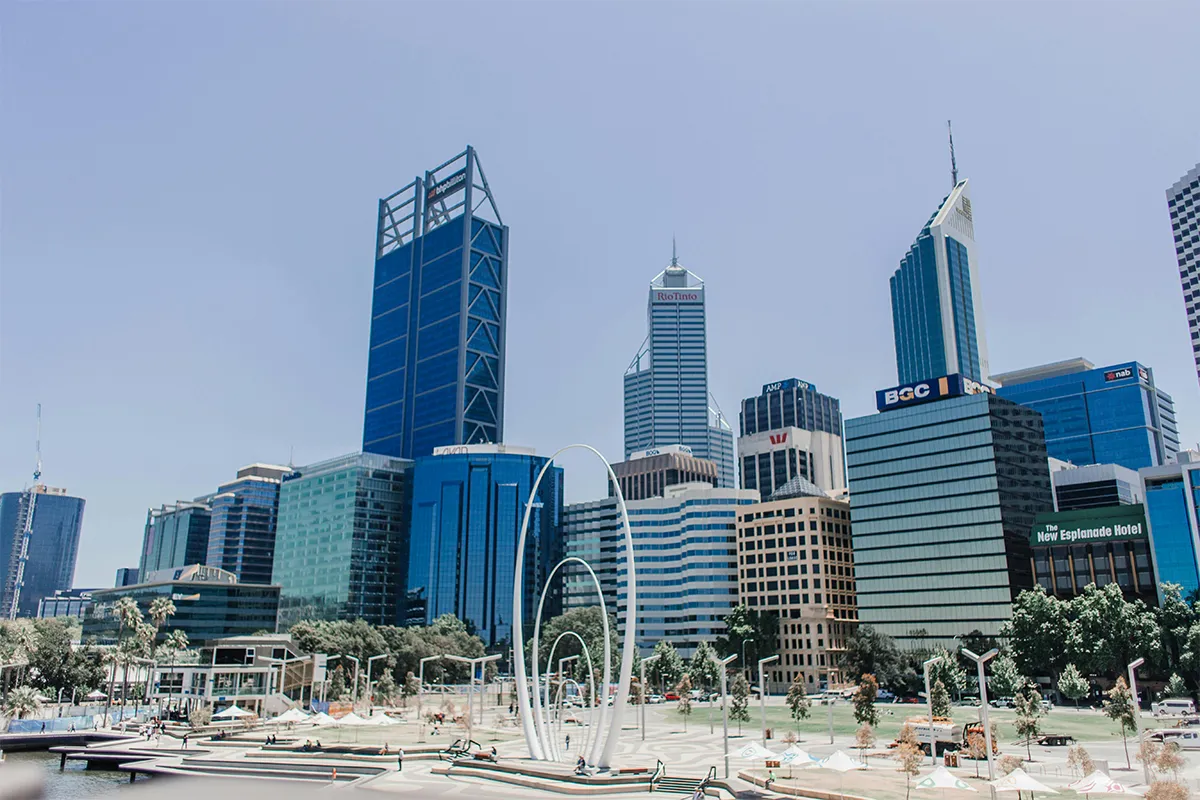
25 Apr Perth Property Market 2026: Why Investors Are Focusing Selectively on Suburbs
Perth continues to attract strong attention from property investors in 2026, emerging as one of Australia’s most active markets. Driven by relative affordability, strong rental conditions and population growth, Western Australia has become a focal point for investment activity. However, beneath the surface of this momentum lies a more nuanced reality—investors are not approaching all suburbs equally.
While capital is flowing into Perth at scale, there is a growing trend towards selective investment, with certain suburbs attracting strong demand while others are being approached with caution. This divergence highlights the importance of understanding local market dynamics when navigating property finance decisions.
Investor Activity on the Rise
Recent lending data indicates a substantial increase in investor participation across Western Australia. Average investor loan sizes have risen significantly, alongside an increase in the number and total value of loan commitments.
This growth reflects sustained confidence in the Perth market, particularly as investors seek opportunities in locations that offer a balance of affordability and rental return. Compared to eastern capital cities, Perth has historically presented a lower entry point, which continues to appeal to both local and interstate investors.
Tight rental conditions have further strengthened this appeal. Low vacancy rates and increasing rental prices have supported strong yield outcomes, encouraging investor activity despite broader economic pressures.
A Market of Uneven Performance
Despite strong headline growth, Perth’s property market is not performing uniformly. While some suburbs are experiencing rapid price appreciation and strong rental demand, others are seeing slower activity or declining investor interest.
This uneven performance is increasingly shaping investor behaviour. Rather than adopting a broad, market-wide approach, investors are focusing on specific areas where demand, infrastructure and economic drivers align.
The concept of a “rising market lifting all suburbs” is becoming less relevant. Instead, outcomes are increasingly determined by localised factors, meaning that suburb selection plays a critical role in investment performance.
Why Some Suburbs Are Being Avoided
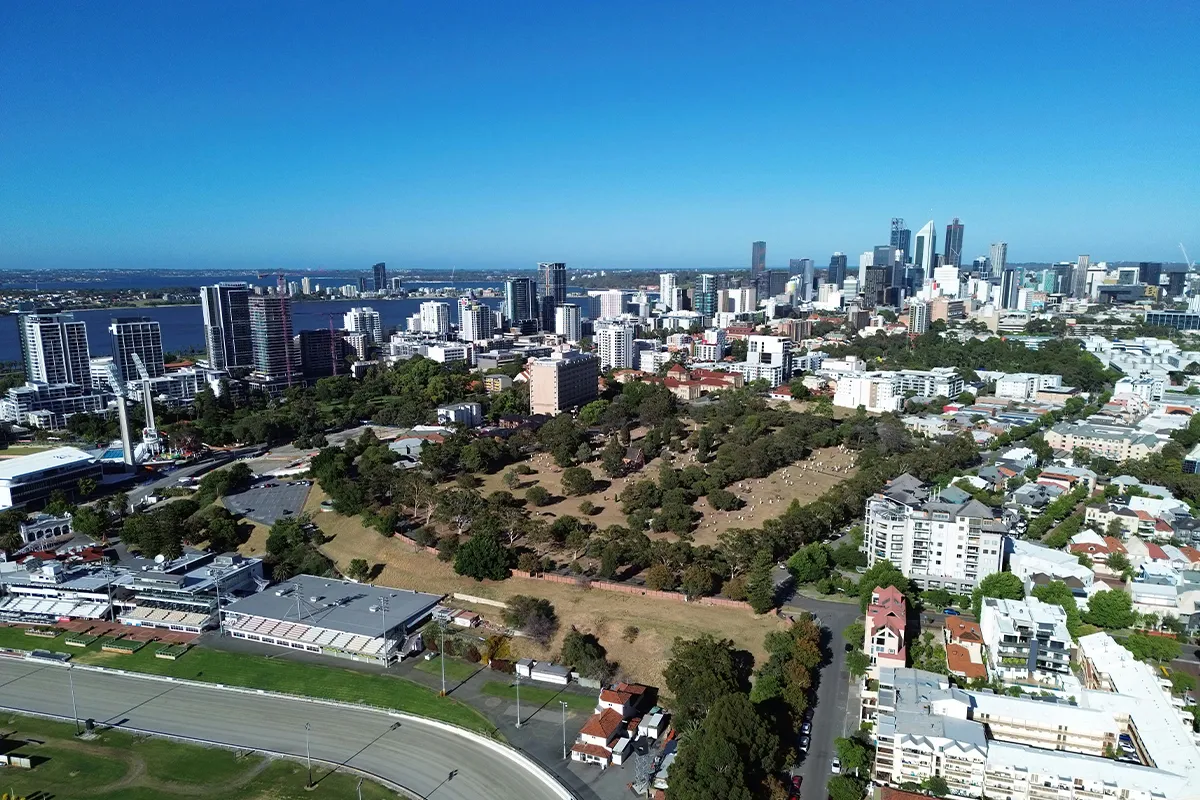
Several factors are contributing to the growing selectivity among investors in Perth. These influences are shaping both short-term activity and long-term property performance.
1. Supply and Demand Imbalances
In some suburbs, new housing supply has outpaced buyer demand. When an area experiences an influx of new listings—particularly in estates or high-density developments—competition between sellers can limit price growth. This can make these locations less attractive for investors seeking strong capital appreciation.
Conversely, suburbs with constrained supply and consistent demand tend to perform more strongly, reinforcing the importance of supply dynamics in investment decisions.
2. Concentration of Buyer Demand
Demand within Perth is not evenly distributed. Instead, it is often concentrated around key employment hubs, transport corridors and lifestyle precincts. Suburbs located outside these high-demand areas may experience slower growth, even during periods of broader market strength.
This concentration of demand means that investors are increasingly prioritising location fundamentals rather than relying on overall market trends.
3. Dwelling Type and Market Appeal
The composition of housing within a suburb can also influence its performance. Areas dominated by a single type of dwelling—such as large numbers of similar apartments or new builds, may face challenges related to oversupply or limited buyer diversity.
In contrast, suburbs with a mix of housing types and established streetscapes often attract a broader range of buyers, supporting both demand and long-term value.
4. Infrastructure Timing and Development
Infrastructure plays a significant role in shaping property demand, but timing is critical. Suburbs where infrastructure projects are still in early planning stages may not yet benefit from increased buyer interest. This lag can impact short- to medium-term performance, even if long-term potential exists.
Investors are increasingly considering not just the presence of infrastructure, but also its delivery timeline and immediate impact on accessibility and amenity.
5. Rental Market Variability
While Perth overall is experiencing tight rental conditions, this is not uniform across all suburbs. Variations in vacancy rates and tenant demand can influence rental returns and investment appeal.
Suburbs with consistently strong rental demand are more likely to attract investor interest, particularly in an environment where rental income plays a key role in servicing borrowing costs.
The Role of Affordability and Borrowing Conditions
Affordability continues to be a driving force in Perth’s property market. Although the city remains more accessible than many other capital cities, rising property values and increased borrowing costs are beginning to influence buyer behaviour.
Investors are becoming more strategic in how they approach financing, taking into account loan structures, repayment capacity and long-term sustainability. The increase in average loan sizes suggests that buyers are stretching further to secure property in competitive areas.
At the same time, broader economic conditions, including interest rate movements, are shaping borrowing capacity and influencing investment decisions. These factors contribute to a more measured and selective approach to property acquisition.
Shifting Investor Strategies in 2026
The current environment has prompted a shift in how investors approach the Perth market. Rather than focusing solely on short-term gains, there is a growing emphasis on:
- Identifying suburbs with strong underlying demand
- Evaluating long-term growth drivers such as infrastructure and employment
- Balancing rental yield with potential for capital appreciation
- Considering affordability and financing sustainability
This shift reflects a more sophisticated investment approach, where decisions are guided by detailed analysis rather than broad market trends.
Additionally, some investors are reassessing previously popular “boom” suburbs, particularly where price growth has already been significant. In certain cases, concerns about peak pricing or reduced value opportunities are influencing a redistribution of investment activity.
Implications for Property Finance
From a property finance perspective, the increasing selectivity within Perth’s market highlights the importance of aligning financing strategies with specific investment goals. The choice of suburb can directly influence rental income, capital growth potential and overall financial outcomes.
Borrowers are placing greater emphasis on structuring loans that accommodate changing market conditions, including potential fluctuations in interest rates and property values. This requires a clear understanding of both local market dynamics and broader economic factors.
For investors, the interaction between borrowing costs and property performance is particularly significant. Strong rental yields can support loan servicing, while capital growth contributes to long-term equity. Balancing these elements is central to navigating the current market.
Looking Ahead: Continued Strength with Greater Selectivity
Perth’s property market is expected to remain active, supported by population growth, economic activity and ongoing demand for housing. However, the trend towards selective investment is likely to continue, with investors focusing on suburbs that offer the strongest combination of fundamentals.
This evolution reflects a maturing market, where performance is increasingly determined by local conditions rather than broad trends. As a result, understanding suburb-level dynamics will remain essential for those engaging in property finance and investment decisions.
Conclusion
Perth’s emergence as a leading property market in 2026 is accompanied by a growing distinction between high-performing suburbs and those facing slower growth. While investor activity remains strong, the approach has become more targeted, reflecting the importance of location-specific factors.
The shift towards selective investment underscores the need for informed decision-making, particularly in a market where conditions can vary significantly between suburbs. By recognising the drivers of both demand and performance, property buyers and investors can better navigate Perth’s evolving landscape.
In an environment shaped by strong opportunity and increasing complexity, a strategic approach to property finance remains essential for achieving sustainable outcomes.