


26 Sep Sydney’s Property Market Is Splitting: Why Affordability Is Becoming a Bigger Driver in 2026
Sydney’s property market is entering a more divided phase in 2026. While higher-value areas continue to experience pressure from reduced borrowing capacity and changing buyer demand, more affordable suburbs are proving comparatively resilient.
The shift highlights an important development in the Sydney property market: affordability is becoming an increasingly influential factor in determining which locations and property types attract demand.
Recent analysis from Shore Financial found that Sydney’s median house prices had fallen by around 5% over the previous year, representing the largest annual decline among Australia’s major capital cities. However, the impact has not been evenly distributed across the city, with lower-priced areas expected to experience considerably smaller declines than some premium suburbs.
For those following Sydney’s property market, this emerging divide provides a useful indication of how buyers and sellers are responding to changing economic conditions.
Sydney’s Market Is No Longer Moving as One
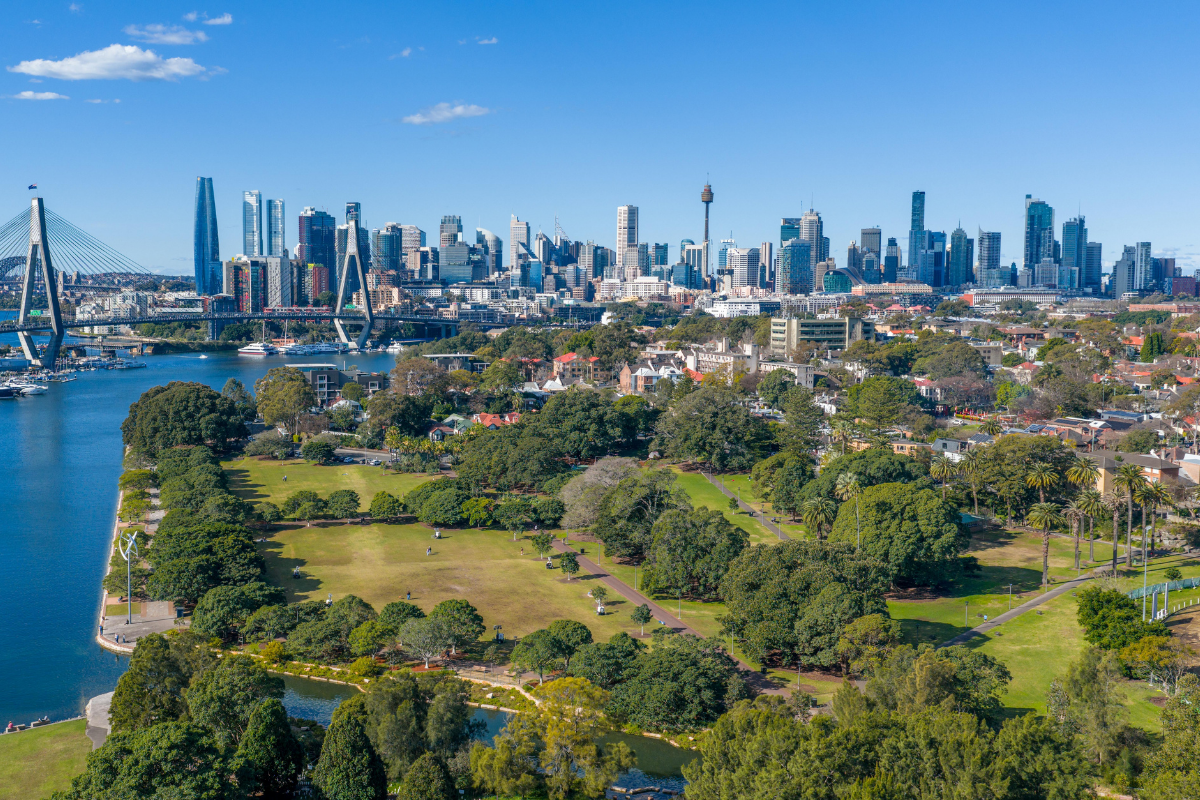
Sydney has historically been regarded as one of Australia’s most expensive and competitive property markets. However, current conditions demonstrate that the city’s more than 600 suburbs can behave very differently depending on price point, location and housing type.
The latest data from PropTrack shows Sydney home prices fell by 0.3% in August 2026, leaving values 4.9% below their March peak and 3.6% lower than a year earlier.
These figures indicate that the broader market is undergoing a correction, but the headline numbers do not tell the entire story.
Lower-priced properties are facing a different set of market dynamics from premium homes. When borrowing capacity becomes more constrained, buyers often reassess what they can afford. Rather than leaving the market entirely, some may change their expectations around suburb, property type, size or location.
This can redirect demand towards more affordable parts of Sydney.
Affordability Is Reshaping Buyer Demand
Affordability has become one of the defining factors in Australia’s 2026 housing market.
Higher interest rates can reduce the amount buyers are able to borrow, meaning the difference between a $1.2 million property and a $1.8 million property becomes increasingly significant. As purchasing capacity changes, properties at lower price points can attract a broader pool of potential buyers.
This is already visible across the Sydney market.
PRD research published earlier in 2026 found that the proportion of Sydney suburbs with affordable units had increased to more than half of the suburbs analysed. However, the improvement in affordability was largely the result of softer unit prices rather than a substantial increase in buyer purchasing power.
This distinction is important.
A market becoming more affordable does not necessarily mean property has become inexpensive. Instead, it can mean that relative affordability has improved compared with other parts of the same city.
Houses and Units Are Following Different Paths
The growing divide is also evident between houses and units.
Nationally, PropTrack data shows that units have continued to outperform houses in 2026. In August, unit prices were 3.0% higher than a year earlier, compared with 1.5% annual growth for houses. Units had also experienced a smaller decline from their market peak.
Sydney demonstrates a similar pattern.
House prices are approximately 5.8% below their peak, while units are around 3.2% below their peak.
The difference can be partly explained by affordability.
As standalone houses become increasingly expensive, units can provide an alternative entry point into established Sydney locations. This is particularly relevant in suburbs where access to employment, transport, education and other amenities remains strong.
However, unit markets are not uniform either. Building quality, location, strata costs, supply levels and property characteristics can all influence demand and prices.
The Affordable End of Sydney Is Showing Greater Resilience
The latest Shore Financial analysis provides an interesting insight into how the city’s different price segments are responding.
Sydney’s most affordable group of suburbs, described as “Heartland Sydney”, is forecast to experience a relatively modest decline of around 1% to 2% over the six months to February 2027. By comparison, some more expensive suburbs are forecast to experience substantially larger falls.
Hebersham, for example, was identified as one of the stronger-performing locations within the affordable segment, supported by owner-occupier demand and relatively low days on market. At the higher end of the market, Lilyfield was forecast to decline by 6% to 7%, while Bondi Beach was forecast to fall by 3% to 4%.
This does not mean that every affordable suburb will outperform, nor that every premium suburb will decline.
Instead, it demonstrates how price sensitivity is influencing the market at a time when borrowing capacity has become more restrictive.
Limited Supply Is Not Always Enough to Support Prices
One of the more notable features of the current market is that tight housing supply is not automatically translating into price growth.
In some premium Sydney locations, available housing stock remains extremely limited. Yet prices can still come under pressure when buyers’ borrowing capacity falls.
Ordinarily, limited supply would be expected to increase competition between buyers. However, when potential purchasers cannot comfortably access higher-priced properties, the pool of eligible buyers can shrink.
This creates an unusual situation in which a suburb can have very little stock available while still experiencing declining prices.
The current Sydney market therefore demonstrates that supply and demand need to be considered together with affordability.
Location Still Matters
Affordability does not operate independently of location.
One reason some lower-priced suburbs can attract sustained interest is that buyers are increasingly assessing the overall value offered by a location rather than focusing exclusively on proximity to Sydney’s CBD.
Transport connections, schools, employment centres, shopping facilities, open space and infrastructure can all influence how attractive an affordable suburb becomes.
This is particularly relevant as Sydney continues to expand.
Areas further from the CBD can provide access to larger properties at lower price points, while infrastructure improvements can strengthen connectivity with established employment and activity centres.
However, infrastructure alone does not guarantee future price growth. Local supply, population changes, property quality and broader economic conditions remain important considerations.
The Sydney Market Is Becoming More Selective
Another defining feature of current conditions is the growing importance of property selection.
When markets are rising rapidly, a broad increase in buyer demand can lift prices across many suburbs. In a more challenging market, buyers tend to become more selective.
Properties that offer a combination of reasonable pricing, desirable location, good condition and practical liveability may continue to attract attention, while properties that appear overpriced can take longer to sell.
Recent Sydney market commentary has similarly highlighted that well-priced and well-presented properties can continue to attract buyers, even while broader market conditions remain subdued.
This creates a more discerning market in which property-specific factors can become increasingly important.
What Could Happen Next?
The direction of Sydney’s property market will depend on several factors over the coming months.
Interest rates will remain important because changes in borrowing costs directly affect purchasing capacity.
Housing supply will also influence conditions. More listings could give buyers greater choice, while continued shortages may provide support in particular locations.
Affordability is likely to remain a major driver as households adjust their expectations around property type and location.
Buyer confidence will determine whether potential purchasers continue to wait or begin returning to the market.
Finally, economic conditions and employment trends will influence household confidence and the ability of buyers to commit to larger financial obligations.
The spring selling season will provide another useful indication of how the balance between supply and demand is developing across Sydney.
What Sydney’s Two-Speed Market Means
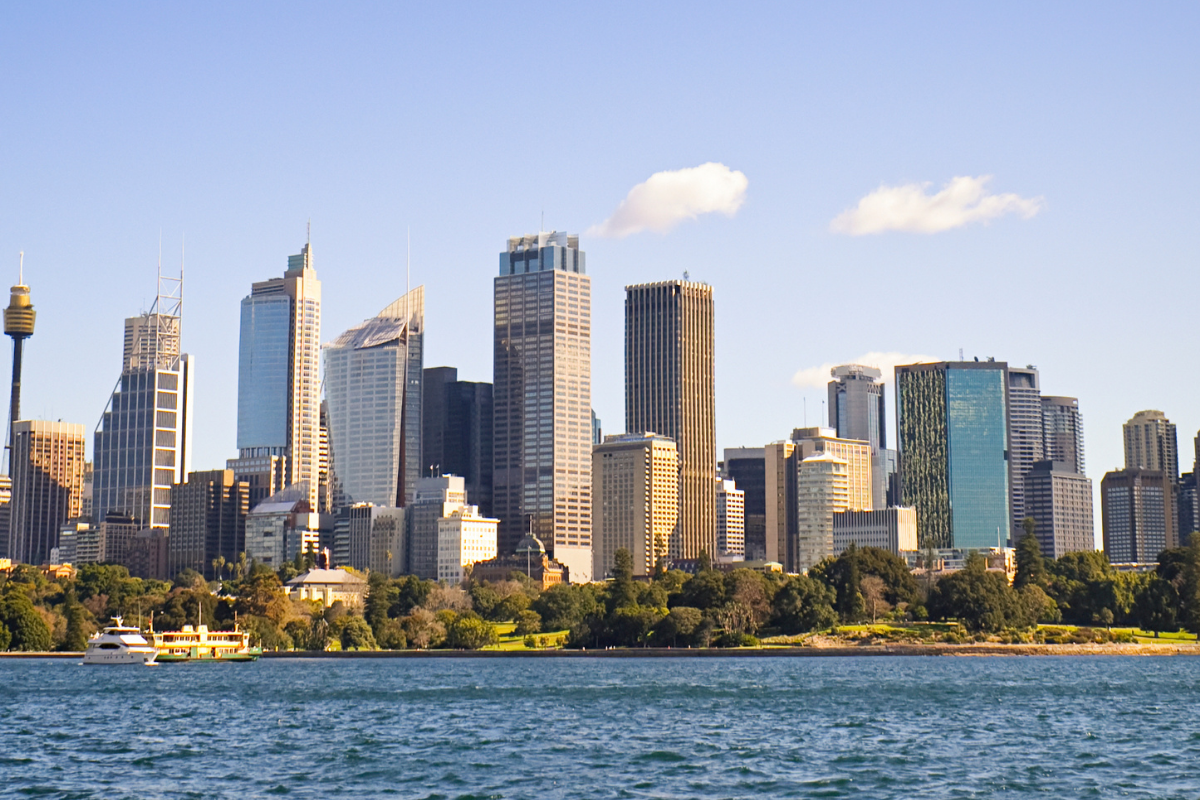
Sydney’s property market in 2026 is increasingly demonstrating that there is no single experience of the market.
Premium suburbs can face declining values even when housing supply remains limited, while more affordable locations may prove comparatively resilient because they remain accessible to a wider group of buyers. Units are also demonstrating greater resilience than houses as affordability pressures encourage some buyers to reconsider the type of property they can access.
For Property Finance Invest, this evolving market reinforces the importance of looking beyond Sydney’s headline median price.
Suburb-level conditions, property type, affordability, supply and local demand all contribute to the performance of individual markets. A city-wide statistic can therefore provide useful context, but it cannot fully describe what is happening within every suburb.
Sydney’s current correction may ultimately prove to be an important period of recalibration. As borrowing capacity, affordability and buyer expectations continue to change, the suburbs that offer the strongest combination of accessibility, liveability and available housing will remain important areas to monitor.
The Sydney market is not simply rising or falling. It is becoming more segmented and understanding that distinction is increasingly important when assessing the direction of the city’s property landscape.