


21 Feb Real Estate Investment: Why Bundaberg Is a Hotspot for Property Investors
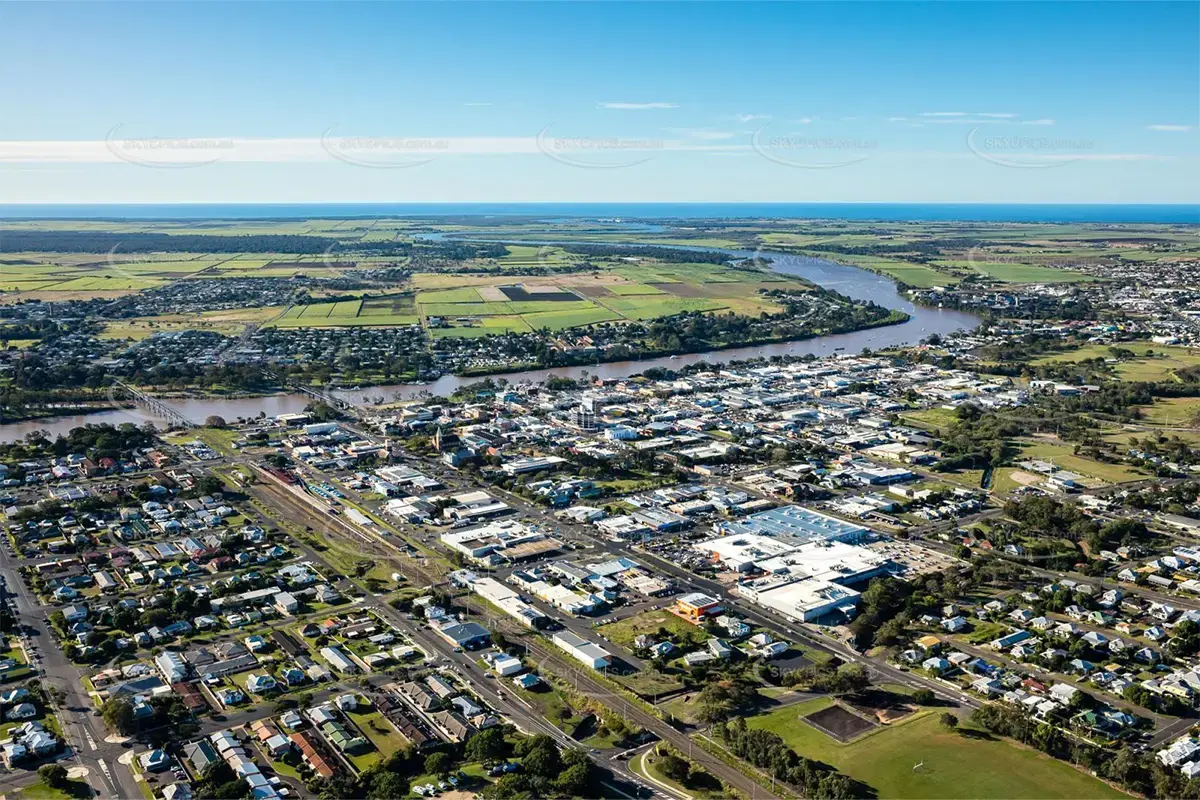
Bundaberg, located in Queensland’s Wide Bay region, is increasingly attracting attention from property investors across Australia. With a combination of affordability, strong rental returns, and emerging growth potential, the city presents an appealing landscape for long-term property investment. Understanding the key drivers behind Bundaberg’s property market can provide valuable insight for those evaluating regional investment opportunities.
Affordability: Accessible Entry Points for Investors
One of Bundaberg’s most compelling advantages is its affordability relative to larger metropolitan centres. Median house prices remain significantly lower than those in Brisbane, the Gold Coast, or Sunshine Coast regions, providing investors with entry points that are financially accessible. This affordability extends across a variety of property types, from established family homes to newer townhouse developments.
Lower purchase prices allow investors to enter the market with smaller capital outlays while still accessing properties capable of generating attractive rental returns. For many, this affordability represents an opportunity to secure investment properties with strong growth potential without the high upfront costs often associated with larger urban markets.
Strong Rental Yields: Maximising Income Potential
Bundaberg consistently demonstrates rental yields above the Queensland average, reflecting robust demand for rental accommodation. As of mid-2024, house rental yields in the region are reported to be around 5–6%, positioning Bundaberg as a highly competitive market for investors seeking income-generating properties.
High rental yields are supported by multiple factors:
- Population growth: An influx of residents relocating from southern states has increased the demand for rental properties, particularly in family-friendly suburbs.
- Economic stability: The local economy, supported by agriculture, manufacturing, and emerging industries, maintains consistent employment opportunities, underpinning rental demand.
- Lifestyle appeal: Bundaberg’s coastal proximity, recreational amenities, and lifestyle offerings make it a desirable location for tenants, enhancing rental occupancy rates.
These factors combine to create a stable environment for investors seeking both short-term cash flow and long-term wealth accumulation through property.
Capital Growth: Long-Term Investment Potential
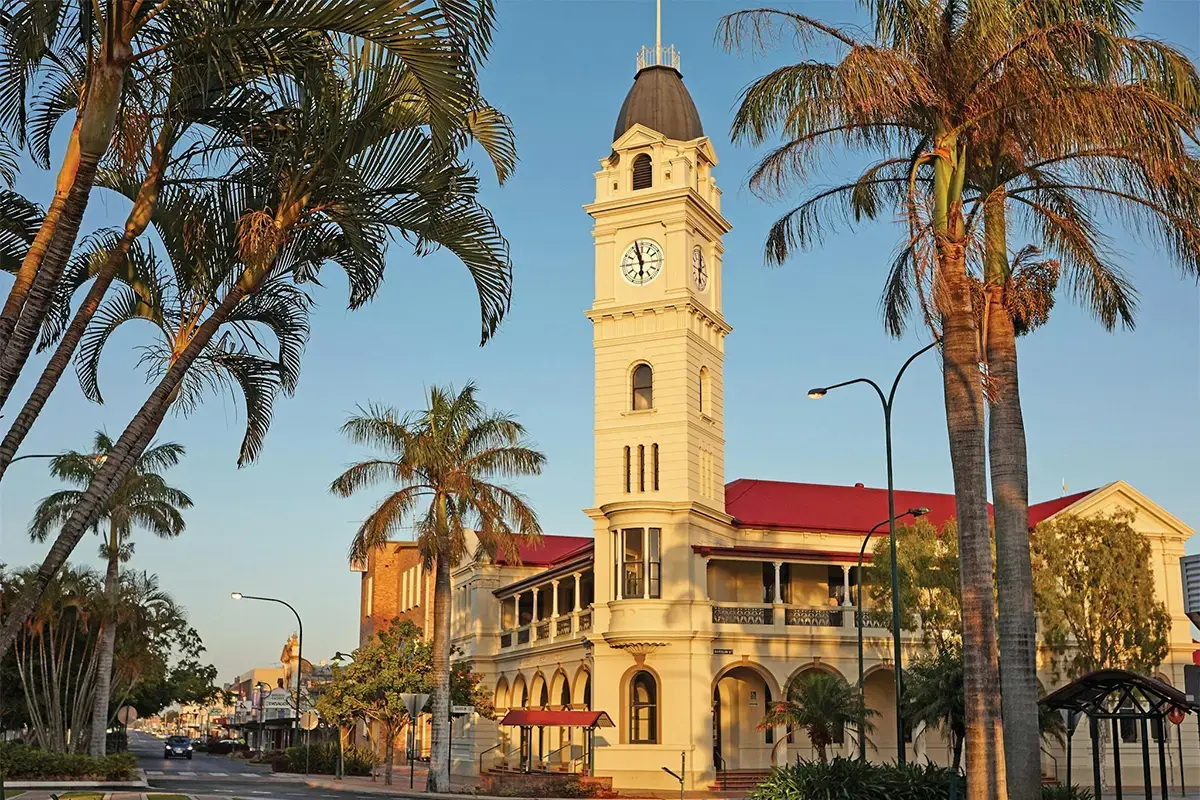
Beyond rental income, Bundaberg presents opportunities for capital growth. Several key drivers support potential appreciation in property values over time:
- Population Growth: Bundaberg’s population is expected to continue expanding as more individuals and families relocate to the region. The appeal of affordable living, combined with a pleasant climate and regional lifestyle, contributes to this steady demographic growth.
- Infrastructure Development: Significant infrastructure projects are enhancing the city’s connectivity and accessibility. Expansion of Bundaberg Port, alongside improvements to road and rail networks, is expected to stimulate both residential and commercial property demand.
- Economic Diversification: Investment in emerging industries, including renewable energy, aviation, and advanced manufacturing, is broadening the local economic base. A more diverse economy supports long-term stability and growth, further reinforcing property market resilience.
Together, these elements suggest that Bundaberg is positioned for sustainable property value appreciation, offering investors potential long-term benefits alongside immediate rental returns.
Key Suburban Markets: Areas of Interest
Certain suburbs within Bundaberg have shown particular strength in both rental performance and capital growth. Established residential areas provide stable income opportunities, while outer growth suburbs offer the potential for future appreciation as development continues. For instance:
- Bundaberg North and South: Central suburbs that provide strong access to schools, employment hubs, and commercial centres, supporting steady rental demand.
- Kalkie and Kepnock: Family-oriented suburbs with affordable housing options and growing infrastructure investment.
- Elliott Heads and Bargara: Coastal communities offering lifestyle appeal and increasing interest from tenants seeking proximity to beaches and recreational facilities.
Monitoring trends in these areas can help investors identify opportunities aligned with both rental income and long-term capital growth strategies.
Lifestyle Factors Driving Demand
Lifestyle is a significant factor contributing to Bundaberg’s popularity among residents and tenants alike. The city’s coastal location offers recreational opportunities such as fishing, surfing, and beachside living, while its regional setting provides a more relaxed pace of life compared with metropolitan areas.
In addition, Bundaberg is home to essential services, education institutions, healthcare facilities, and retail amenities, ensuring that residents have access to the conveniences of urban living without the associated high costs. The combination of lifestyle benefits and affordability makes Bundaberg an attractive option for families, retirees, and professionals alike, which in turn drives ongoing demand for rental properties.
Infrastructure Developments Supporting Growth
Future infrastructure projects are expected to enhance Bundaberg’s property market further. Key developments include:
- Port Expansion: Upgrades to Bundaberg Port aim to increase trade capacity and improve economic activity, indirectly supporting property demand by stimulating employment and business growth.
- Transport Improvements: Investment in road and rail networks is improving connectivity within the region and to larger cities, enhancing Bundaberg’s accessibility for residents and businesses.
- Community Facilities: Expansion of healthcare, educational, and recreational facilities strengthens the city’s appeal as a residential destination.
Infrastructure improvements not only support population growth but also contribute to the long-term resilience and attractiveness of Bundaberg’s property market.
Economic Diversification: Building a Resilient Local Economy
Bundaberg’s economy is no longer reliant solely on traditional industries such as agriculture and sugar production. The emergence of new sectors, including renewable energy, aviation, and advanced manufacturing, contributes to a more diversified and resilient local economy.
A diversified economy offers multiple advantages for property investors:
- Greater employment stability supports consistent rental demand.
- Expansion of high-value industries can drive population growth, stimulating residential property markets.
- Economic resilience reduces exposure to market volatility compared with regions dependent on a single industry.
By supporting a variety of economic drivers, Bundaberg’s property market is positioned to benefit from both short-term rental opportunities and long-term capital appreciation.
Summary: Bundaberg as an Investment Destination
Bundaberg offers a compelling combination of affordability, strong rental yields, and long-term growth potential. Investors seeking regional opportunities will find the city appealing for several reasons:
- Accessible property prices make entry feasible for a range of investors.
- Robust rental yields provide attractive income potential.
- Positive capital growth outlook is supported by population growth, infrastructure investment, and economic diversification.
- Lifestyle factors enhance the city’s appeal to tenants, maintaining strong rental demand.
With continued population growth, infrastructure improvements, and economic diversification, Bundaberg’s property market is well-positioned for sustainable growth, offering investors both income and capital appreciation opportunities in the years ahead.