


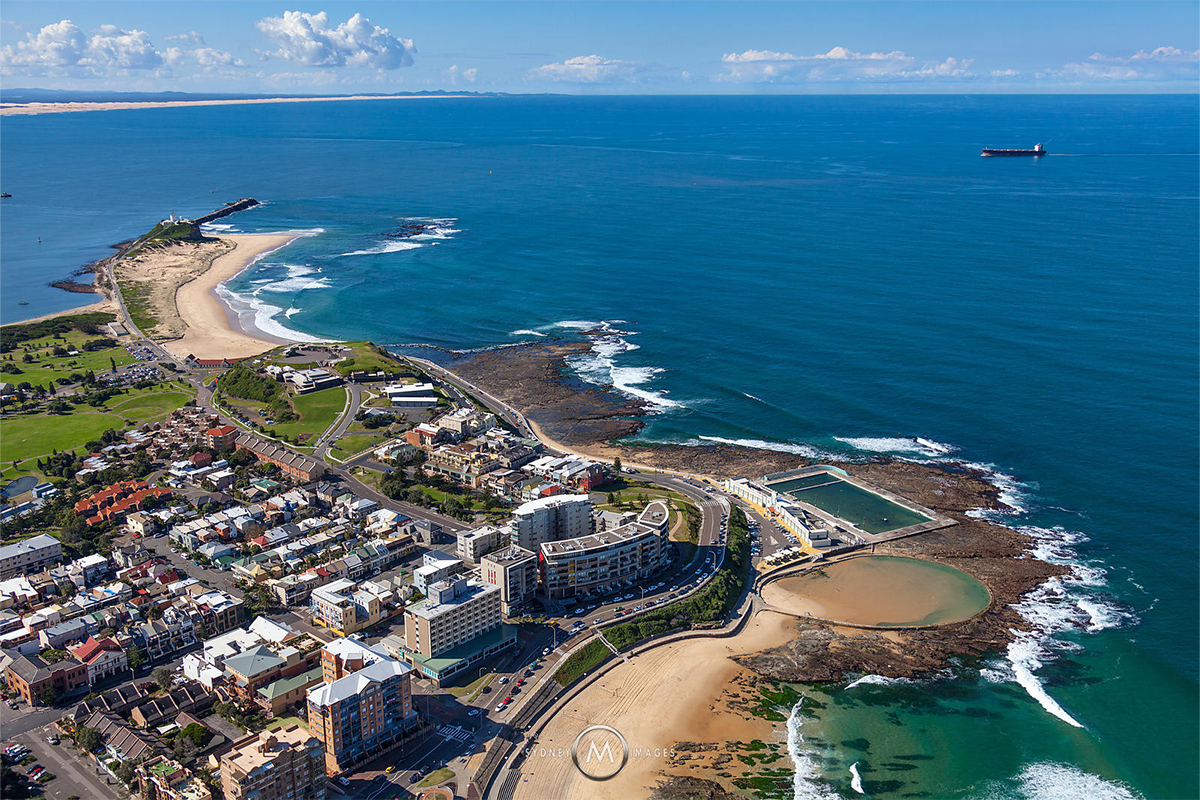
20 Dec Newcastle Property Market Outlook: Renewed Confidence, Rising Demand, and Suburbs to Watch
Newcastle continues to strengthen its position as one of Australia’s standout regional cities, supported by robust infrastructure investment, strong population growth, and renewed buyer confidence. As interest rate sentiment improves and economic optimism builds, the region is experiencing heightened demand from both local and interstate purchasers.
Current market trends suggest that Newcastle is entering a new phase of stability and long-term opportunity, driven by lifestyle appeal, employment growth, and consistent housing demand across key suburbs.
Market Confidence Strengthens as Buying Intent Rises
Recent shifts in buyer sentiment have played a significant role in Newcastle’s property market momentum. As conditions stabilise and the prospect of interest rate relief improves, more Australians are considering re-entering the market or upgrading their existing property.
Newcastle, in particular, has seen a noticeable increase in online buyer searches and property enquiries. This reflects broader national trends where buyer confidence rebounds when clarity around borrowing conditions improves.
Unlike major metropolitan markets that face higher price barriers, Newcastle offers a comparatively accessible entry point, making it appealing to first-home buyers, families, and long-term investors. Consistent demand continues to keep market activity steady, even during broader national fluctuations.
Why Newcastle Continues to Attract Strong Demand
1. A Well-Balanced Lifestyle Offering
Newcastle’s lifestyle appeal remains one of its strongest advantages. Residents benefit from a mix of coastal living, vibrant dining and cultural precincts, and expanding employment hubs. The city offers many of the features associated with metropolitan life without the congestion and higher cost-of-living pressures seen in major capitals.
Outdoor recreation, beach access, and diverse neighbourhoods continue to draw a growing mix of professionals, young families, and retirees.
2. Consistent Population Growth
Newcastle and the Greater Hunter region continue to experience strong population increases. A combination of internal migration, job opportunities, and liveability improvements supports a consistent level of housing demand.
As population growth remains steady, underlying demand for both rental and owner-occupied accommodation continues to rise.
3. Expanding Employment and Economic Strength
Several high-growth industries are driving Newcastle’s economic evolution. Key contributors include:
- Healthcare and medical research
- Education and university expansion
- Advanced manufacturing and aerospace
- Renewable energy and clean-tech projects
- Construction and transport infrastructure
These sectors collectively enhance long-term economic stability and help maintain housing demand across the region.
4. Continuous Infrastructure Investment
Newcastle’s ongoing transformation is supported by multiple large-scale projects, including road upgrades, public transport improvements, and city-shaping developments. These projects aim to increase connectivity, modernise precincts, and support population growth.
Major works across the waterfront, CBD, transport links, and suburban centres help strengthen the city’s appeal and contribute positively to surrounding property values.
Newcastle Suburbs to Watch Through 2025 and Beyond
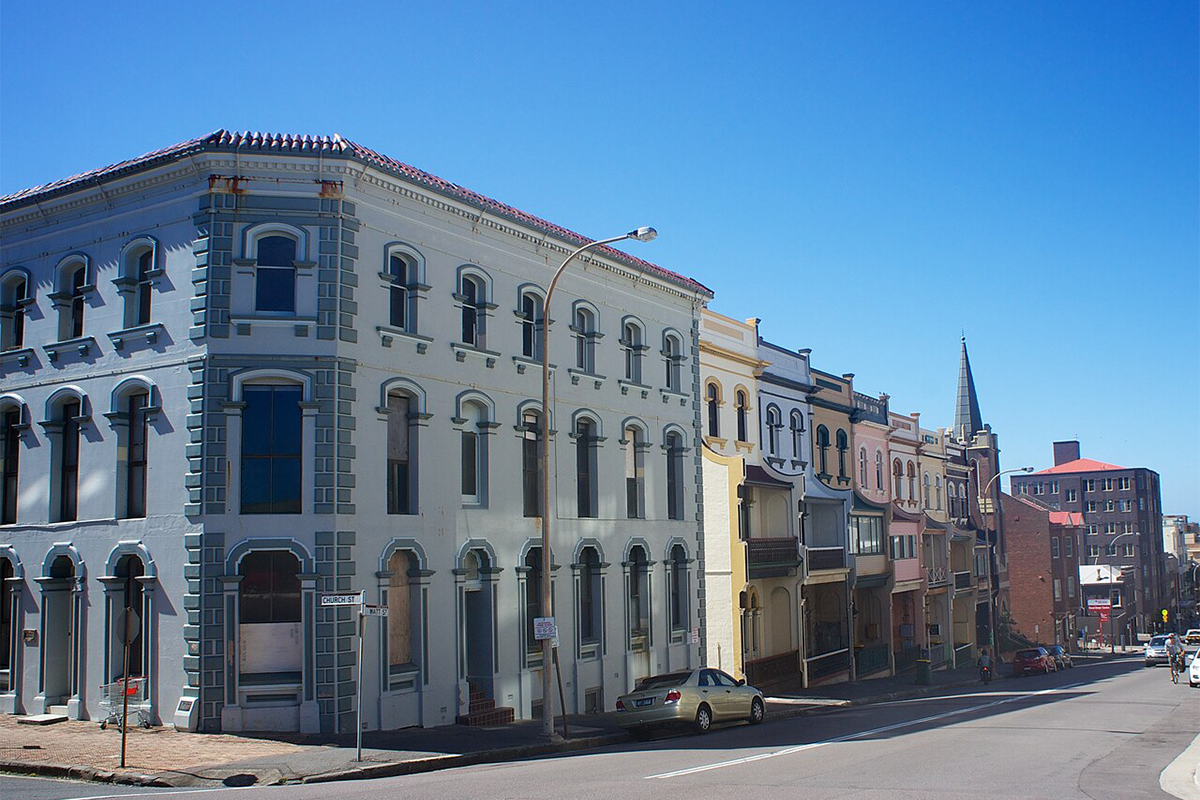
Newcastle’s diverse property landscape means different suburbs appeal to different types of buyers. Several neighbourhoods continue to gain attention due to lifestyle factors, affordability, and development activity.
1. Mayfield
A suburb undergoing steady transformation, Mayfield is increasingly popular among young professionals and families. Upgraded amenities, new cafés, and improved transport connectivity support ongoing demand. Its mix of character homes and redevelopment opportunities positions it as a suburb with strong future potential.
2. Wallsend
Wallsend offers accessibility, established infrastructure, and a family-friendly environment. Its relative affordability compared to inner-city suburbs attracts first-home buyers and investors, while its local retail and community facilities solidify its long-term appeal.
3. Adamstown
Located near major transport corridors and close to both the CBD and beaches, Adamstown is a highly sought-after suburb. Its blend of modern townhomes, renovated properties, and older homes creates broad market appeal. Proximity to lifestyle amenities makes it consistently competitive.
4. Charlestown
As one of Lake Macquarie’s major commercial and retail hubs, Charlestown remains a strong performer. Ongoing residential development, large shopping precincts, and direct access to employment centres contribute to sustained buyer interest.
5. Shortland and Maryland
These emerging pockets provide an affordable entry point in the region. Close to the university, transport routes, and growing employment zones, these suburbs benefit from both rental demand and steady owner-occupier growth.
The Rental Market: Strong, Steady, and Undersupplied
Newcastle’s rental market continues to experience high demand, supported by population growth, ongoing job creation, and interest from students and young professionals. Vacancy rates remain low across much of the region, reflecting ongoing pressure on available rental stock.
Well-located homes near healthcare, education, and transport centres remain particularly sought after, creating consistent competition for quality rentals.
Newcastle’s Long-Term Outlook: Growth Grounded in Stability
Newcastle’s property market is supported by strong fundamentals that contribute to long-term stability:
- Sustained population and job growth
- Diverse economic sectors
- Consistent rental demand
- Appeal to both owner-occupiers and investors
- Infrastructure improvements enhancing connectivity and lifestyle
Unlike markets dependent on a narrow range of industries, Newcastle’s expanding economic base positions it for ongoing resilience. As revitalisation projects continue across the city and surrounding areas, many suburbs are expected to see steady interest from a broad range of buyers.
What Is Supporting Buyer Confidence?
Several trends are contributing to improved confidence this year:
- Stabilising interest rate outlook
- Growing optimism around national economic conditions
- Return of buyers who delayed decisions during periods of uncertainty
- Consistent demand for well-located coastal and regional markets
These elements are encouraging more Australians to re-enter the property market, explore new regions, or upgrade their home. Newcastle’s blend of affordability, lifestyle benefits, and economic opportunity places it firmly on the radar of many prospective buyers.
Conclusion
Newcastle’s property market continues to demonstrate strength, attracting a wide range of buyers through its liveability, employment opportunities, and balanced growth outlook. As the region benefits from infrastructure investment, rising confidence, and increasing demand, it remains one of Australia’s most compelling coastal cities for long-term stability.
Property Finance Invest continues to monitor these market developments closely to help clients stay informed about emerging opportunities, suburb trends, and wider movements shaping the Newcastle market.