


07 Feb Hobart Property Market: Steady Fundamentals and Suburban Dynamics in 2026
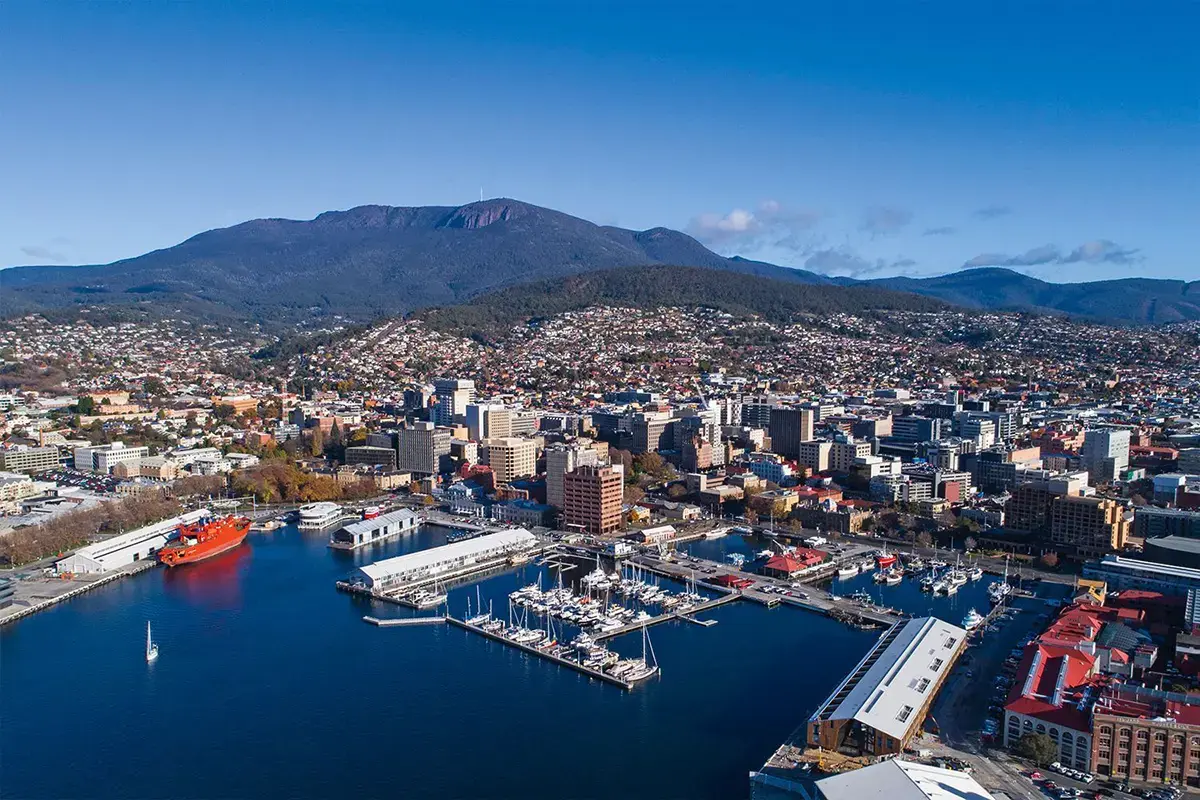
The Tasmanian property market — and Hobart in particular — continues to attract attention from buyers, investors, and movers seeking a blend of lifestyle appeal, capital stability, and relative affordability compared with larger Australian capital cities. As national housing market dynamics evolve, understanding how Hobart and its surrounding suburbs are performing remains an important part of informed property planning in 2026.
Market Overview: Balanced Conditions in Tasmania
Recent data shows Tasmania’s housing market has maintained steady price and rental growth, underscoring a balanced supply-demand environment rather than overheated momentum. Among key metrics, Tasmania’s median house price sits around the mid-$600,000s, with annual price growth and rental increases reflecting moderated yet ongoing buyer activity. Days on market — the time property listings remain available before sale — remain in line with balanced conditions rather than intense competition.
Buyers and investors alike appear drawn by a combination of factors shaping the Tasmanian market:
- Lifestyle appeal — Hobart’s unique coastal setting and cultural amenities continue to underpin demand.
- Relative affordability — Compared to mainland capital cities, entry points in many Hobart suburbs remain more accessible.
- Steady rental growth — Rental markets in both Hobart and surrounding areas have shown consistent demand.
This backdrop highlights how Hobart’s market is influenced by both broader national trends and local conditions.
City and Suburban Market Trends
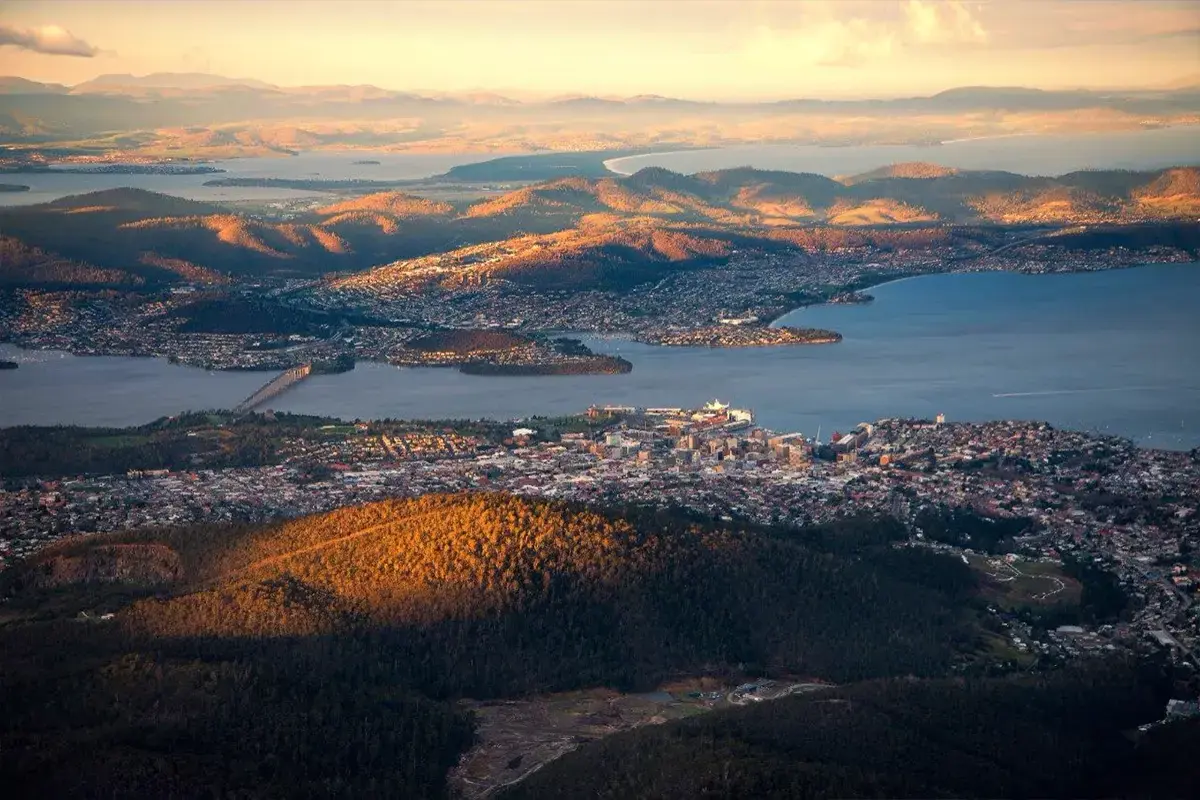
Across Greater Hobart, property values and recent price movements can vary significantly from suburb to suburb — reflecting diverse demand patterns based on location, local amenities, housing stock, and lifestyle attributes.
Core Hobart continues to see solid interest. Central areas have experienced notable capital growth for both houses and unit markets. Strong annual increases for Hobart units highlight renewed investor confidence and ongoing urban appeal.
At the same time, growth patterns in the broader metropolitan area reveal distinct pockets where activity and price performance have been robust:
- Northern and northeastern precincts show consistent upward movement, buoyed by proximity to the CBD and established infrastructure.
- Suburban corridors like Hobart – North West and Hobart – North East have reported continued growth in median values, supporting the notion of enduring demand across different housing types.
- Specific hotspots such as Berriedale, Margate, and West Moonah have recorded above-average annual price movements compared with broader city trends.
These variations reflect how Hobart’s housing market is not homogenous but composed of multiple micromarkets with differing characteristics and drivers.
Suburb Profiles: Performance and Appeal
Understanding suburb performance requires looking beyond headline figures to the unique attributes shaping local buyer preferences. Below are aggregated insights on several key Hobart suburbs based on recent data and market commentary.
Established Inner and Middle Ring Suburbs
- Central Hobart — With median values rising strongly in recent periods, the inner-city precinct appeals to tenants and buyers drawn to cultural vibrancy and proximity to employment, education, and lifestyle facilities.
- New Town — Typically seen in house markets with notable growth, New Town’s blend of heritage character, accessibility, and community amenities adds to its broader appeal.
These established suburbs often represent the backbone of Hobart’s residential market, combining historical desirability with consistent occupancy rates.
Eastern and Waterfront Communities
- Bellerive and Lindisfarne — These waterfront communities have supported respectable growth rates and rental performance, underpinned by coastal lifestyles and connections to Hobart’s urban centre.
Lifestyle considerations, proximity to leisure amenities, and water views continue to define the appeal of eastern shore suburbs.
Northern and Southern Growth Corridors
- Geilston Bay & Howrah — These areas offer a mix of dwelling types, from houses to units, often with strong rental interest and balanced market activity.
- Moonah & Rokeby — Demonstrating solid long-term trends, these suburbs illustrate how growth can emerge in markets once considered more affordable, with underpinning rental demand and community infrastructure.
Certain suburbs in the northern corridor have also recorded fairly tight vacancy rates — a signal of steady tenant demand when market conditions support consistent leasing.
Affordability and Entry-Level Considerations
Tasmania’s housing market structure includes a range of price points — from premium beachfront addresses to more affordable outer-suburban and regional locales. This diversity has supported a degree of buyer participation across income brackets. In some of the more accessible Hobart markets, median values remain in ranges that align with broader affordability thresholds without the steep premiums seen in larger capitals.
However, affordability outcomes vary significantly by suburb. Inner metropolitan markets often command higher prices due to location desirability and limited supply, while outer growth areas might present more approachable price entry points.
Infrastructure and Future Supply Dynamics
Beyond price and yield considerations, infrastructure developments and supply dynamics continue to influence Hobart’s long-term property landscape. Substantial urban investments — from transport upgrades to utility capacity enhancements — support ongoing growth potential by improving connectivity and underpinning future development.
For example, major sewer transformation projects are not only large-scale infrastructure upgrades but also catalysts for supporting future residential growth capacity across the region.
Land release and planning strategies aimed at expanding housing supply also play into broader market narratives, shaping where residential expansion is feasible and sustainable over the coming decade.
Balancing Demand, Lifestyle, and Market Realities
Overall, the Hobart property market in 2026 reflects a balance of influences:
- Stable price growth and measured rental increases underscore resilient fundamentals.
- Suburban dynamics demonstrate varied performance profiles that investors, purchasers, and analysts monitor.
- Housing affordability remains a focal consideration amid broader national trends towards higher median prices.
While some markets may transition through cyclical shifts of growth and consolidation, Hobart’s mix of lifestyle credentials, infrastructure support, and suburban diversity continues to inform its position within Australia’s property landscape.