


21 Nov Bundaberg Property Market: Balancing Growth and Liveability
A Growing Region with More to Consider
Regional Queensland continues to attract attention from people seeking a different pace of life, access to essential services and opportunities beyond the major capital cities. Bundaberg, located in the Wide Bay–Burnett region, offers a combination of agricultural strength, established communities, coastal attractions and a diverse local economy.
However, economic growth and population expansion also bring challenges. Housing demand can put pressure on affordability, infrastructure must keep pace with new development, and environmental protection becomes increasingly important as residential areas expand.
For those following regional property markets, Bundaberg presents an opportunity to examine how these factors interact. Its long-term appeal will depend not only on economic performance, but also on how effectively the region balances development with the needs of residents, businesses and the natural environment.
Bundaberg’s Economy: A Foundation for Regional Growth
A diverse economy can help support a region through changing economic conditions. Bundaberg has established industries across agriculture, manufacturing, tourism, healthcare, education and other service sectors, providing a broader economic base than a community dependent on a single industry.
Bundaberg’s economy was valued at approximately $5.1 billion, with reported economic growth of 7.1 per cent, making it the second-fastest-growing regional economy in Queensland at the time. The region has also demonstrated resilience in responding to the disruption caused by COVID-19 shutdowns, supported by its diverse industries and established local businesses.
This economic diversity can help support local employment, business activity and demand for housing. Nevertheless, economic growth does not automatically translate into higher property values or consistent investment performance. The relationship depends on several factors, including household incomes, housing supply, borrowing conditions and the location of employment opportunities.
For Bundaberg, the continued development of its economic base will be an important consideration in understanding how the region evolves.
Housing Affordability: Maintaining Access as Demand Changes
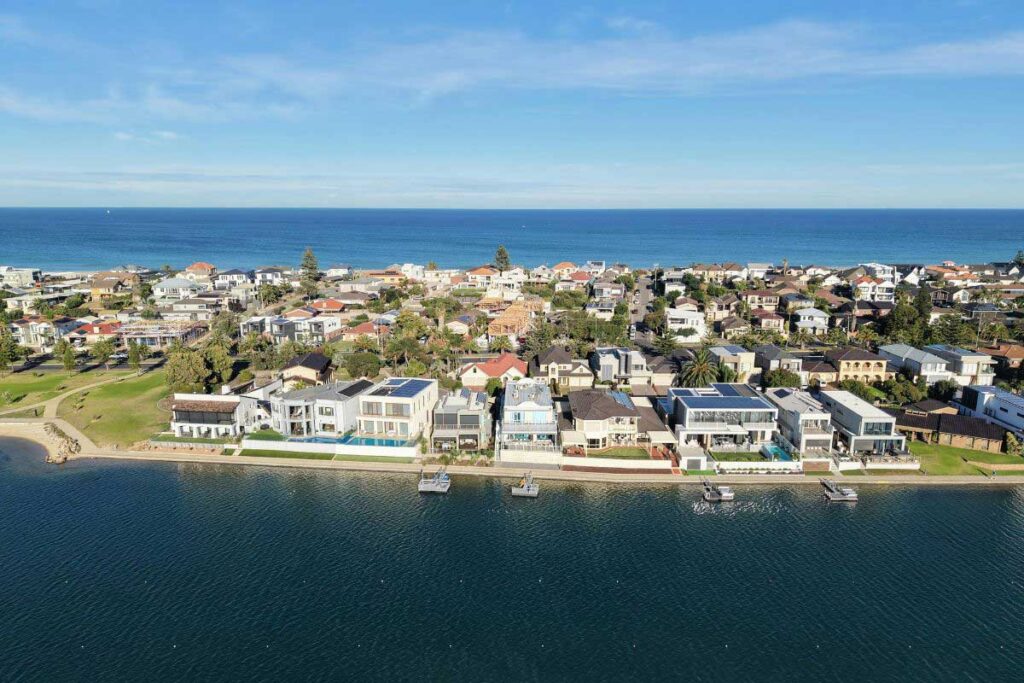
Relative affordability has helped make regional locations attractive to households looking beyond larger cities. Bundaberg offers a different housing market from Brisbane and other major metropolitan centres, although affordability varies between suburbs, property types and individual circumstances.
As more people consider relocating to the region, housing demand can increase. This may create opportunities for additional residential development, but it can also make it harder for first-home buyers and lower-income households to secure suitable housing.
The challenge is not simply whether more homes can be built. The type, location and price of available housing also matter. A growing region needs an appropriate mix of dwellings for different household sizes, budgets and stages of life.
Future residential development will therefore need to respond to a range of housing needs while considering access to employment, schools, healthcare, transport and community facilities.
For property market observers, affordability is an important part of the wider picture. Strong demand may support market activity, but the sustainability of that demand also depends on whether residents can afford to live and work in the region.
Infrastructure Strain: Can Services Keep Pace with Growth?
Population growth places additional demands on the systems that allow a community to function. Roads, water supply, sewerage, stormwater management, healthcare and public facilities all need sufficient capacity to support existing residents and future development.
If housing construction progresses faster than essential infrastructure, residents may experience congestion, longer service waiting times or reduced access to community facilities. These pressures can also influence the appeal of individual neighbourhoods.
Future infrastructure improvements will be important to Bundaberg’s ability to accommodate growth. Better roads, reliable essential services, accessible public transport and well-maintained community facilities can help support residents while creating conditions for businesses and new developments to thrive.
Infrastructure planning is important because it affects more than convenience. Reliable services help communities accommodate additional residents while supporting business activity and maintaining day-to-day liveability.
For the property market, the timing and delivery of infrastructure can influence where new housing becomes viable and how attractive particular areas are to residents. However, planned projects should not be treated as completed improvements, and proposed development does not guarantee future demand.
Understanding the difference between existing infrastructure and future plans provides a clearer picture of how the region may accommodate growth.
Environmental Protection: Preserving What Makes Bundaberg Appealing
Bundaberg’s natural environment is an important part of its regional identity. Its coastal communities, agricultural land and proximity to the Great Barrier Reef contribute to the area’s lifestyle appeal and support economic activities such as tourism and agriculture.
Yet growth can place pressure on these natural assets. Expanding residential areas may require changes to land use, while additional traffic, construction and infrastructure can affect local environments if development is not carefully managed.
Agricultural land also requires consideration. Farming contributes to Bundaberg’s economic base, meaning that development decisions can influence both the availability of land for housing and the long-term viability of established industries.
Environmental protection is therefore closely connected to the region’s economic and social future. Protecting waterways, coastal environments, green spaces and productive land can help preserve the qualities that attract residents and visitors in the first place.
For a growing regional centre, the challenge is to accommodate housing and employment needs without unnecessarily compromising its environmental assets.
Sustainable Growth: Supporting a Liveable Future
Sustainable development involves more than increasing the number of homes or expanding commercial activity. It requires a coordinated approach that considers housing, infrastructure, employment, environmental protection and access to community services.
In Bundaberg, future planning can help maintain liveability by supporting well-connected neighbourhoods, accessible green spaces, appropriate public transport options and safe access to coastal areas. Community facilities and recreational spaces also play a role in helping new and established residents feel connected to the region.
Lifestyle and community identity are particularly relevant to regional areas. Residents may value shorter commutes, access to nature and strong local connections alongside employment and housing opportunities. If growth undermines these qualities, some of the region’s appeal could be diminished.
At the same time, limiting development without considering housing needs can contribute to supply constraints and affordability pressures. Effective planning must therefore balance the need for additional housing with the importance of protecting environmental assets and maintaining access to services.
The objective is not to prevent growth, but to ensure that growth contributes to a region where people can continue to live, work and participate in the community.
What Does This Mean for Bundaberg’s Property Market?
Bundaberg’s economic activity, regional lifestyle and established industries provide useful context for understanding its property market. However, the region’s future performance will also depend on how effectively it manages housing supply, infrastructure investment and environmental considerations.
Several factors are worth monitoring when assessing changes in the local market:
- Housing supply and affordability: Whether new development provides suitable housing across different price points and household needs.
- Infrastructure delivery: Whether essential services and transport networks keep pace with population and residential growth.
- Economic diversity: Whether local industries continue to provide employment opportunities and support household demand.
- Environmental management: Whether development protects the natural and agricultural assets that contribute to the region’s appeal.
- Community liveability: Whether residents retain access to healthcare, education, recreational spaces and other essential services.
These factors are interconnected. Additional housing may help address supply pressures, for example, but its longer-term contribution to the region depends partly on infrastructure capacity, employment access and the quality of the surrounding community.
A balanced assessment should also consider property-level characteristics, local market conditions and the costs associated with ownership. Regional economic growth alone is not sufficient to establish whether an individual property represents a suitable investment.
Conclusion: Growth That Benefits the Whole Community
Bundaberg’s economic resilience and regional lifestyle provide a foundation for continued development. At the same time, housing affordability, infrastructure capacity and environmental protection remain important considerations as the region accommodates change.
The central challenge is to ensure that development strengthens the community rather than placing unnecessary pressure on the services and natural assets that make the area appealing.
For those following regional property trends, Bundaberg offers a useful example of why long-term market analysis should look beyond headline economic figures. Housing supply, employment, infrastructure and liveability all contribute to the wider conditions shaping a region’s future.
Ultimately, sustainable growth is about creating a place where economic opportunity and community wellbeing can progress together. How successfully Bundaberg manages this balance will remain an important consideration in understanding its long-term regional and property market outlook.