


11 Apr Adelaide Property Market Outlook 2026: Growth Suburbs, Stability and Emerging Opportunities
The Adelaide property market continues to demonstrate resilience in 2026, standing out as one of Australia’s most consistent performers. While national conditions are influenced by rising interest rates and shifting affordability, Adelaide maintains a steady growth trajectory supported by strong demand, constrained supply and evolving buyer preferences.
As the market progresses through 2026, attention is increasingly turning towards growth suburbs, where infrastructure, affordability and lifestyle appeal are shaping future performance. Understanding these dynamics is essential for those navigating property finance decisions in South Australia.
A Market Built on Stability and Consistency

Adelaide has long been recognised for its stable property market. Unlike more volatile capital cities, it has shown a pattern of gradual and sustained growth over time. Historical trends indicate that Adelaide has experienced fewer downturns compared to other markets, reinforcing its reputation as a dependable environment for property buyers and investors.
Recent data continues to support this outlook. Property values have risen steadily, and in some cases, Adelaide has outperformed larger capitals in annual growth. This consistency is driven by a combination of relative affordability, strong local demand and limited housing supply.
Despite broader economic pressures, including rising borrowing costs, Adelaide’s market has retained momentum. Growth may be moderating compared to previous peaks, but the underlying fundamentals remain strong.
Supply Constraints Supporting Price Growth
A key driver of Adelaide’s ongoing performance is the imbalance between housing supply and demand. Available stock remains limited across many parts of the city, while buyer demand continues to be sustained by population growth and interstate migration.
This supply shortage has contributed to continued upward pressure on property prices. Even as borrowing conditions become more restrictive, the lack of available housing ensures that demand remains competitive. Properties in well-located suburbs are often transacting quickly, reflecting the strength of buyer interest.
Tight supply conditions also extend to the rental market, where low vacancy rates are contributing to rising rents. This environment supports both owner-occupier demand and investor activity, as rental income becomes an increasingly important consideration.
Growth Suburbs Shaping the Market
As the Adelaide market evolves, certain suburbs are emerging as key areas of growth. These locations typically share a combination of affordability, infrastructure investment and lifestyle appeal, making them attractive to a wide range of buyers.
Outer Suburban Growth Corridors
Outer northern and southern suburbs continue to attract strong interest due to their accessibility and development potential. These areas often provide more affordable entry points, appealing to first-home buyers and investors seeking value.
Ongoing infrastructure development, including transport upgrades and community facilities, is enhancing the appeal of these suburbs. As connectivity improves, demand is likely to increase, supporting both price growth and rental activity.
Lifestyle and Coastal Locations
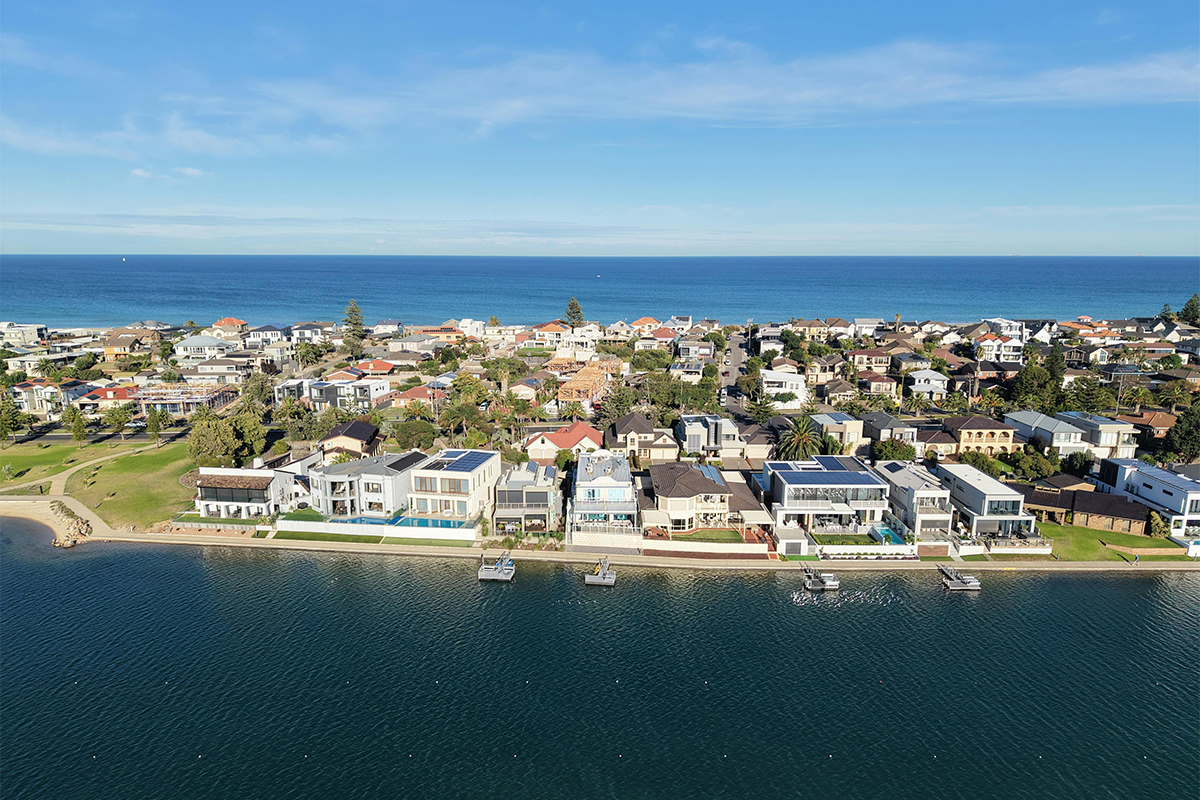
Coastal suburbs and lifestyle-driven areas are also experiencing increased demand. Buyers are placing greater emphasis on quality of life, with proximity to beaches, green spaces and community amenities becoming key considerations.
Population movement towards lifestyle regions has been particularly notable, with some coastal areas experiencing significant increases in demand. This trend reflects broader changes in how buyers prioritise work-life balance and location preferences.
Established Inner and Middle-Ring Suburbs
Established suburbs closer to the city centre continue to perform strongly, particularly those with access to schools, transport and employment hubs. These areas often attract owner-occupiers, which can support long-term capital growth.
Gentrification and renovation activity in these suburbs further enhance their appeal, contributing to rising property values and sustained buyer competition.
Affordability Pressures and Buyer Behaviour
While Adelaide remains more affordable than many other capital cities, affordability is becoming an increasingly important consideration. Rising property values, combined with higher interest rates, are influencing borrowing capacity and buyer decision-making.
Buyers are becoming more selective, often adjusting expectations around property size, location or type to align with budget constraints. This has led to increased demand for units, townhouses and smaller homes in accessible suburbs.
At the same time, there is a growing focus on long-term affordability. Borrowers are placing greater emphasis on managing repayments and ensuring financial sustainability in a higher-rate environment.
The Role of Interest Rates in 2026
Interest rates continue to play a significant role in shaping property market conditions. Higher borrowing costs have moderated some aspects of demand, contributing to a more balanced market compared to the rapid growth seen in previous years.
However, the impact of interest rates in Adelaide has been less pronounced than in some larger cities. The city’s relative affordability and strong demand fundamentals have helped maintain activity levels, even as borrowing conditions tighten.
Future interest rate movements remain a key consideration, as they influence both borrowing capacity and overall market sentiment. As such, monitoring economic indicators will remain important for those engaging in property finance decisions.
Rental Market Strength and Investor Interest
Adelaide’s rental market continues to be a significant driver of investor interest. Low vacancy rates and increasing rental prices have created strong conditions for rental returns, particularly in high-demand suburbs.
This environment supports investment activity, as rental income can contribute to loan servicing. However, investors are also considering broader factors such as capital growth potential, location and long-term market trends.
The interaction between rental demand and property values highlights the importance of balancing yield and growth considerations when assessing investment opportunities.
A Two-Speed Market Within South Australia
While Adelaide’s overall performance remains strong, the market is becoming increasingly segmented. Lower-priced suburbs continue to experience strong demand due to affordability, while premium suburbs may see more moderate activity as buyers navigate higher price points.
This “two-speed” dynamic reflects broader trends across the Australian property market, where affordability and borrowing capacity are key drivers of demand. Understanding these variations is essential for identifying opportunities within different market segments.
Implications for Property Finance
In a market characterised by stability and evolving affordability, property finance considerations are central to decision-making. Borrowers are increasingly focused on:
- Managing borrowing capacity in a higher interest rate environment
- Structuring loans to align with long-term financial goals
- Balancing affordability with potential for capital growth
For investors, rental income remains an important factor, while owner-occupiers may prioritise long-term stability and flexibility. The ability to adapt financing strategies to changing market conditions is a key component of navigating the Adelaide property market.
Looking Ahead: Sustainable Growth and Opportunity
The outlook for Adelaide in 2026 remains positive, with continued demand, limited supply and strong fundamentals supporting the market. While growth is expected to moderate compared to previous years, this shift may contribute to a more sustainable and balanced environment.
Growth suburbs, particularly those benefiting from infrastructure investment and lifestyle appeal, are likely to remain central to market activity. At the same time, established areas will continue to attract demand from buyers seeking long-term value.
Conclusion
Adelaide’s property market in 2026 is defined by stability, resilience and evolving opportunity. While affordability pressures and interest rate changes are influencing buyer behaviour, the city’s strong fundamentals continue to support growth.
The emergence of key growth suburbs highlights the importance of understanding local dynamics within the broader market. By considering factors such as infrastructure, demand and affordability, property buyers and investors can better navigate Adelaide’s changing landscape.
In an environment where conditions are shifting yet opportunities remain, a well-informed approach to property finance is essential for achieving sustainable outcomes.