


10 Jan Adelaide Focus: Why 2026 Is Shaping Up to Be Another Defining Year for the Market
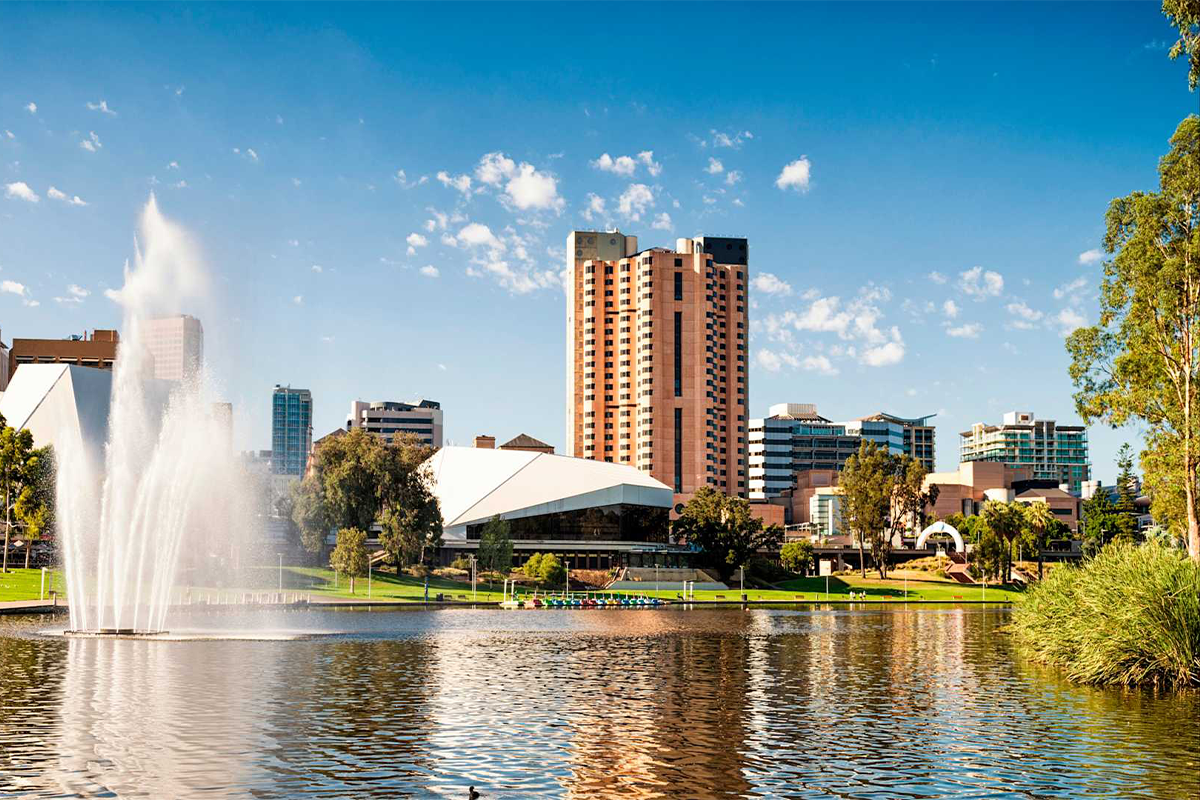
Adelaide’s property market has experienced a dramatic evolution over the past several years. Once considered an affordable fallback compared with Australia’s eastern capitals, the city has now firmly positioned itself as one of the strongest, most stable, and most consistently performing markets in the country. Persistent buyer demand, low stock, and sustained upward price movement have pushed Adelaide to the forefront for homebuyers, investors, and analysts.
Recent data shows how powerful this shift has been. Throughout 2025, Adelaide posted some of the strongest annual growth figures among the capital cities. It’s now clear the city has outgrown its reputation as a “quiet achiever” and emerged as a national leader in resilience, livability, and capital performance. As we progress through 2026, that momentum remains firmly intact.
Market Performance: Record Gains and Broad-Based Growth
Median Prices and Growth Rates
Adelaide’s median home value continued its rapid rise over the past year. Updated indices show that 2025 delivered roughly 11% year-on-year growth, with detached homes achieving much higher medians than the year prior. Units and apartments also recorded strong gains, reinforcing the depth and diversity of current demand.
This surge builds on a major long-term trend:
- Over the past five years, Adelaide’s dwelling values have more than doubled, significantly outperforming many national benchmarks and reflecting a structural shift in both supply and buyer sentiment.
Recent Momentum and Monthly Trends
Moving from late 2025 into early 2026, Adelaide remains one of the country’s fastest-growing capitals on a monthly basis. Despite broader economic fluctuations, buyer demand has stayed incredibly resilient while supply remains historically tight.
Competitive bidding, shortened selling campaigns, and persistent upward price pressure continue across many suburbs.
What’s Driving Adelaide’s 2026 Momentum?
1. Tight Supply and Reduced Listings
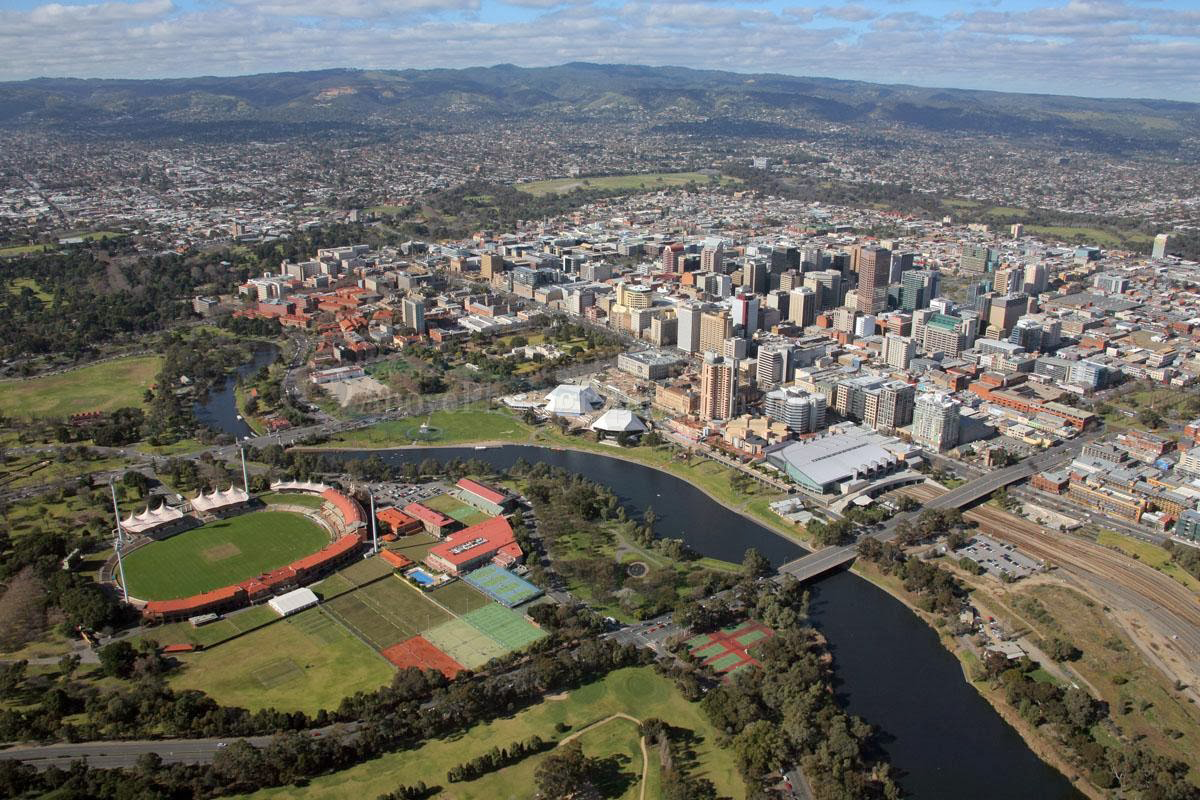
Listing volumes remain well below long-term averages, making supply scarcity one of the clearest drivers of ongoing price escalation. In many sought-after suburbs, properties sell within weeks often after only a handful of inspections. Low stock continues to fuel elevated competition for both houses and units.
2. Broad-Based Demand Across All Housing Segments
Adelaide’s growth is not confined to premium pockets it spans virtually the entire buyer market:
- First-home buyers targeting affordable units
- Upgrading families seeking land and space
- Interstate buyers searching for lifestyle and value
- Investors attracted to stable rental yields
This diversified buyer pool reinforces price resilience across multiple dwelling types.
3. Relative Affordability (But Gradually Narrowing)
Although prices have increased sharply, Adelaide still offers stronger value compared with Sydney, Melbourne, or Brisbane. For many buyers priced out of those markets, Adelaide continues to represent an attainable, lifestyle-rich capital city with strong infrastructure and manageable living costs.
This relativity continues to draw interest through 2026.
4. Stable Rental Market and Strong Investment Appeal
The rental market remains tight due to:
- Ongoing population growth
- Limited new rental supply
- High demand from young professionals, students, and families
Low vacancy rates and competitive rental conditions continue to support investor confidence, particularly in well-connected suburbs.
5. Long-Term Resilience in a Changing Economic Climate
Adelaide’s market has demonstrated unusual consistency even amid national economic uncertainty. Buyers are increasingly guided by fundamentals such as livability, long-term affordability (relative), and structural supply shortages, factors that indicate Adelaide may continue outperforming more cyclical markets.
What This Means for Buyers and Investors in 2026
Adelaide’s 2026 landscape offers both strong opportunity and necessary caution.
Potential Opportunities
Capital Growth Potential
With demand outpacing supply, many suburbs especially emerging, infrastructure-supported, or tightly held areas may continue posting growth throughout 2026.
Diverse Dwelling Options
Robust demand across the spectrum supports a variety of strategies:
- High-yield unit investments
- Owner-occupier purchases
- Long-term capital growth plays
Relative Value Among Capital Cities
Adelaide continues to deliver a rare mix of affordability, liveability, and urban convenience compared with larger capitals.
Stable Rental Demand
Investors can rely on strong rental competition and low vacancy rates in well-located pockets.
Key Considerations and Risks
Affordability Pressures Increasing
Rapid growth is making it harder for first-home buyers and lower-income households to enter the market, especially in inner-ring suburbs.
Intense Competition From Low Stock
Buyers need to move decisively with many homes selling quickly and with multiple offers.
Suburb-by-Suburb Performance Varies
Some already-boomed suburbs may stabilise, while outer-metro or growth corridors may still represent strong value.
Long-Term Focus Recommended
Given current price levels, a multi-year strategy remains the most prudent approach for both owner-occupiers and investors.
Strategic Insights from a Property Finance Invest Perspective
Balanced Strategy: Yield + Growth
A dual-focus approach may provide the strongest stability in 2026:
- Units and mid-tier homes for consistent rental yields
- Larger houses in growth corridors for long-term capital appreciation
Target Emerging Suburbs and Growth Corridors
Outer-metro, transport-linked, and infrastructure-backed areas often deliver:
- Lower entry points
- Stronger upside potential
- Reduced buyer competition
- Increasing appeal as amenities expand
Monitor Key Economic Indicators
Borrowing conditions in 2026 will be shaped by:
- Interest-rate movements
- Household income growth
- Lending policy changes
These factors will directly influence buyer confidence and purchasing capacity.
Prioritise Long-Term Holdings
Properties with strong rental demand, stable tenancy appeal, and solid location fundamentals may offer the most reliable long-term returns throughout 2026 and beyond.
What to Watch Through 2026
Key indicators to monitor include:
- Supply vs. demand trends particularly listing volumes and construction activity
- Interest rates and borrowing capacity shifts
- Suburb-level price divergence
- Rental market tightness and rental inflation
- Population movements, including interstate migration and lifestyle-driven relocations
Adelaide Enters 2026 as a Mature, Dynamic, High-Opportunity Market
Adelaide has evolved into one of Australia’s most reliable and high-performing capital-city markets defined by structural undersupply, diverse demand, stable rental conditions, and sustained multi-year growth.
For buyers, investors, and market watchers, 2026 represents a strategic year filled with opportunities across yields, capital growth, and long-term planning. Adelaide offers a broad and resilient landscape for those who understand its dynamics and act with strategy.
Property Finance Invest will continue monitoring market trends, supply shifts, rental movements, and suburb-level performance throughout 2026 to help clients navigate this increasingly competitive and rewarding market.